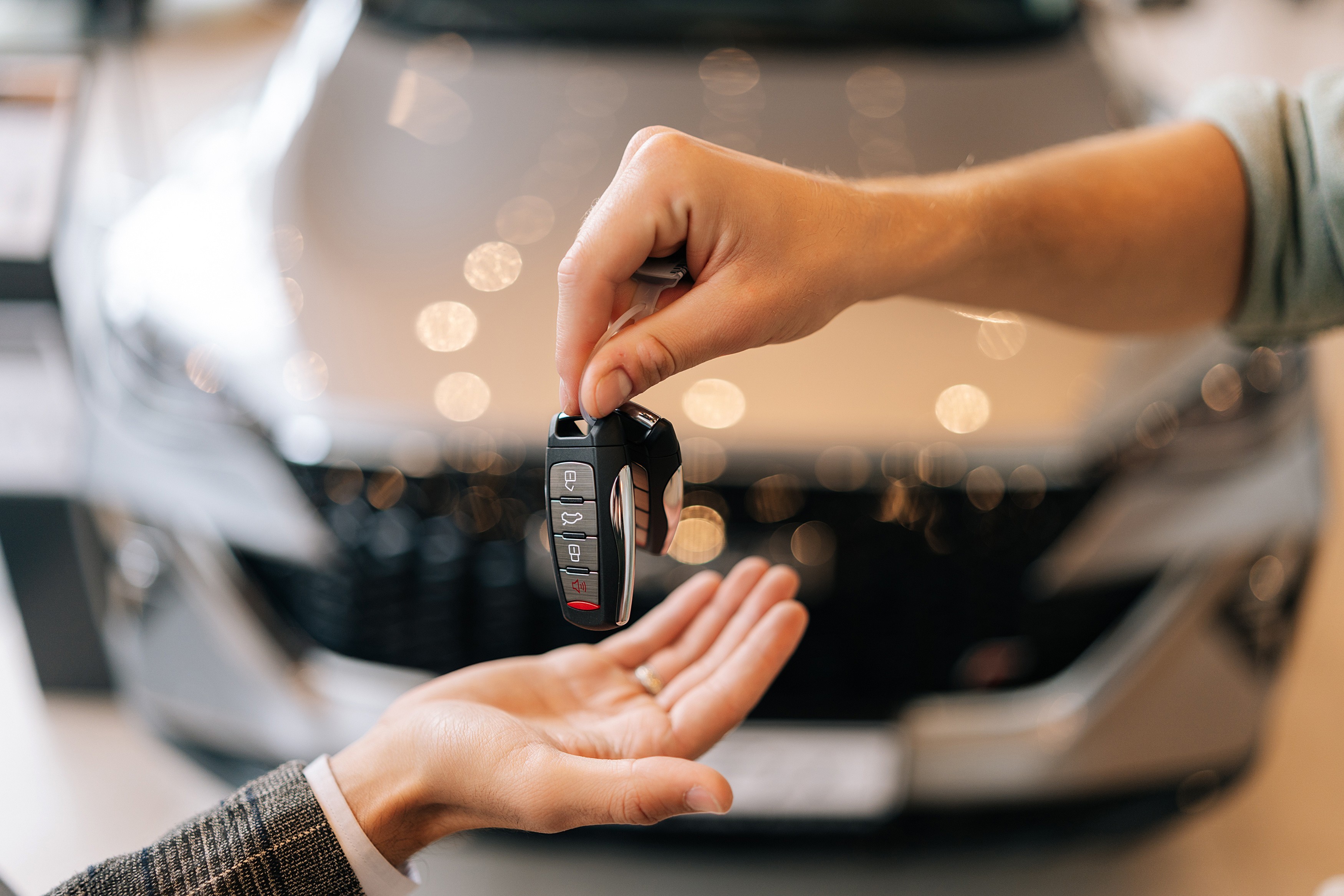
Selling a second-hand vehicle may seem straightforward, but it involves a series of legal procedures and documents that must be handled carefully. In this article, we'll cover all the key aspects to ensure a safe and hassle-free transaction when selling your used car.
Table of contents
Necessary documents to sell a used car
Before proceeding with the sale of your vehicle, it is crucial to gather and prepare all the necessary documentation. This section will guide you through the essential documents you'll need to ensure a transparent and legal transaction.
Vehicle registration document and MOT card
The vehicle registration document not only identifies the vehicle, but also shows who its legal owner is. Make sure this document is up to date and that the details, such as the address, are correct.
As for the MOT, this certificate ensures that the vehicle meets the technical and safety requirements needed to be driven on the road. Make sure you have the MOT card and the pass certificate from the latest inspection, as these documents are essential to prove that the car is in suitable condition and safe to use.
Sale and purchase agreement
This agreement is a legal contract between the seller and the buyer, and it is essential to formalise the sale. This document must include the personal details of both parties, the specific details of the vehicle, the agreed price and any other relevant condition.
It is advisable for both parties to keep a signed copy of the agreement to avoid future misunderstandings or disputes. Here you can find a detailed guide on sale and purchase agreements for cars between professionals.
Proof of payment of taxes and fees
It is essential to demonstrate that all taxes and fees related to the vehicle are up to date. The Road Tax (IVTM), commonly known as the car tax or road tax, must be paid, and it is necessary to present the receipt for the latest payment.
This tax is paid annually at the town hall where the vehicle is registered. In addition, you must make sure that you have paid any other applicable fees or taxes, such as the Property Transfer Tax (ITP) in the case of a sale between private individuals.
Key steps for a safe sale
Once you have gathered all the necessary documents, the next step is to navigate the legal procedures associated with selling a car. This section will help you understand and complete the legal processes needed to ensure the sale complies with all applicable regulations and laws, guaranteeing a smooth transfer of vehicle ownership.
Value the vehicle correctly
Before putting your vehicle up for sale, it is crucial to determine its current market value. There are several online tools that allow you to value your car accurately, taking into account factors such as the model, year, mileage and overall condition of the vehicle.
An accurate valuation will help you set a fair and attractive price for potential buyers, which can speed up the sales process. Learn about the differences between a car's trade-in value and market value to avoid confusion.
Prepare and gather the documentation
Once you have determined the value of your vehicle, it is time to prepare and gather all the necessary documentation. Make sure you have to hand the vehicle registration document, the MOT card, proof of payment of taxes and fees, and any other relevant document.
It is also advisable to obtain a vehicle history report from the Directorate-General for Traffic (DGT), which will provide valuable information about the car's history, such as outstanding fines, reported accidents or retention of title.
Draft a detailed sale and purchase agreement
The sale and purchase agreement is a crucial document that protects the interests of both parties involved in the transaction. Make sure you include all relevant details, such as the seller's and buyer's information, the vehicle's full description (make, model, year, registration number, mileage, etc.), the agreed price and any other special conditions.
It is advisable to seek legal advice or use recognised sale and purchase agreement templates to ensure the document meets all legal requirements. Here you can find more information about reservation agreements at dealerships.
Carry out the change of ownership
Notifying the DGT about the sale of the vehicle is a crucial step that must be carried out immediately after formalising the sale. This procedure can be done online or in person at DGT offices. It is necessary to present the sale and purchase agreement and the identification documents of both parties.
This process ensures that the legal and administrative responsibility for the vehicle is correctly transferred to the new owner. Learn more about the ownership transfer procedure and the steps to follow in our article on managing car sales.
Additional tips for a successful transaction
In addition to the legal and documentation steps, there are some recommended practices that can make selling your vehicle easier and improve the experience. This section gives you additional tips for a successful transaction.
Be transparent about the vehicle's condition
Maintaining clear and honest communication is essential to facilitate the sale and build trust with the buyer. Be transparent about the vehicle's current condition, maintenance history, repairs or any relevant detail that the buyer should know.
This transparency is not only ethically right, it can also prevent legal problems and disputes in the future.
Accept only secure payments
It is crucial to verify the validity and authenticity of the documents presented by the buyer. Make sure you receive full payment as agreed before handing over the vehicle and related documents.
It is advisable to use secure and traceable payment methods, such as bank transfers or trusted online payment services, to avoid problems or fraud. Learn about the advantages of implementing digital wallets in your dealership to offer secure and convenient payment options.
Keep copies of all documents
Once the sale is completed, keep copies of all the documents and communications related to the transaction. These records are useful for future reference and may be required in the event of disputes or subsequent enquiries.
In addition, keeping an organised record of your transactions can be beneficial for tax and legal purposes.
Selling a second-hand vehicle may seem straightforward, but it involves a series of legal procedures and documents that must be handled carefully. In this article, we'll cover all the key aspects to ensure a safe and hassle-free transaction when selling your used car.
Table of contents
Necessary documents to sell a used car
Before proceeding with the sale of your vehicle, it is crucial to gather and prepare all the necessary documentation. This section will guide you through the essential documents you'll need to ensure a transparent and legal transaction.
Vehicle registration document and MOT card
The vehicle registration document not only identifies the vehicle, but also shows who its legal owner is. Make sure this document is up to date and that the details, such as the address, are correct.
As for the MOT, this certificate ensures that the vehicle meets the technical and safety requirements needed to be driven on the road. Make sure you have the MOT card and the pass certificate from the latest inspection, as these documents are essential to prove that the car is in suitable condition and safe to use.
Sale and purchase agreement
This agreement is a legal contract between the seller and the buyer, and it is essential to formalise the sale. This document must include the personal details of both parties, the specific details of the vehicle, the agreed price and any other relevant condition.
It is advisable for both parties to keep a signed copy of the agreement to avoid future misunderstandings or disputes. Here you can find a detailed guide on sale and purchase agreements for cars between professionals.
Proof of payment of taxes and fees
It is essential to demonstrate that all taxes and fees related to the vehicle are up to date. The Road Tax (IVTM), commonly known as the car tax or road tax, must be paid, and it is necessary to present the receipt for the latest payment.
This tax is paid annually at the town hall where the vehicle is registered. In addition, you must make sure that you have paid any other applicable fees or taxes, such as the Property Transfer Tax (ITP) in the case of a sale between private individuals.
Key steps for a safe sale
Once you have gathered all the necessary documents, the next step is to navigate the legal procedures associated with selling a car. This section will help you understand and complete the legal processes needed to ensure the sale complies with all applicable regulations and laws, guaranteeing a smooth transfer of vehicle ownership.
Value the vehicle correctly
Before putting your vehicle up for sale, it is crucial to determine its current market value. There are several online tools that allow you to value your car accurately, taking into account factors such as the model, year, mileage and overall condition of the vehicle.
An accurate valuation will help you set a fair and attractive price for potential buyers, which can speed up the sales process. Learn about the differences between a car's trade-in value and market value to avoid confusion.
Prepare and gather the documentation
Once you have determined the value of your vehicle, it is time to prepare and gather all the necessary documentation. Make sure you have to hand the vehicle registration document, the MOT card, proof of payment of taxes and fees, and any other relevant document.
It is also advisable to obtain a vehicle history report from the Directorate-General for Traffic (DGT), which will provide valuable information about the car's history, such as outstanding fines, reported accidents or retention of title.
Draft a detailed sale and purchase agreement
The sale and purchase agreement is a crucial document that protects the interests of both parties involved in the transaction. Make sure you include all relevant details, such as the seller's and buyer's information, the vehicle's full description (make, model, year, registration number, mileage, etc.), the agreed price and any other special conditions.
It is advisable to seek legal advice or use recognised sale and purchase agreement templates to ensure the document meets all legal requirements. Here you can find more information about reservation agreements at dealerships.
Carry out the change of ownership
Notifying the DGT about the sale of the vehicle is a crucial step that must be carried out immediately after formalising the sale. This procedure can be done online or in person at DGT offices. It is necessary to present the sale and purchase agreement and the identification documents of both parties.
This process ensures that the legal and administrative responsibility for the vehicle is correctly transferred to the new owner. Learn more about the ownership transfer procedure and the steps to follow in our article on managing car sales.
Additional tips for a successful transaction
In addition to the legal and documentation steps, there are some recommended practices that can make selling your vehicle easier and improve the experience. This section gives you additional tips for a successful transaction.
Be transparent about the vehicle's condition
Maintaining clear and honest communication is essential to facilitate the sale and build trust with the buyer. Be transparent about the vehicle's current condition, maintenance history, repairs or any relevant detail that the buyer should know.
This transparency is not only ethically right, it can also prevent legal problems and disputes in the future.
Accept only secure payments
It is crucial to verify the validity and authenticity of the documents presented by the buyer. Make sure you receive full payment as agreed before handing over the vehicle and related documents.
It is advisable to use secure and traceable payment methods, such as bank transfers or trusted online payment services, to avoid problems or fraud. Learn about the advantages of implementing digital wallets in your dealership to offer secure and convenient payment options.
Keep copies of all documents
Once the sale is completed, keep copies of all the documents and communications related to the transaction. These records are useful for future reference and may be required in the event of disputes or subsequent enquiries.
In addition, keeping an organised record of your transactions can be beneficial for tax and legal purposes.