Contents
Before you start: is selling privately right for you?
Step 1: Check the vehicle’s status
Step 2: Gather the paperwork
Step 3: Set the sale price
Step 4: Publish the advert
Step 5: Manage enquiries and viewings
Step 6: Negotiate and close the deal
Step 7: Sign the sale and purchase agreement
Step 8: Receive payment and hand over the car
Step 9: Notify the DVLA of the sale
Step 10: Post-sale tasks
How long the whole process takes
Frequently asked questions
Selling a car privately is the option that gives you the most control over the process. You decide the price, choose the buyer and manage the transaction from start to finish. But that freedom comes at a cost: all the work falls on you. Photos, advert, calls, viewings, negotiation, contract, payment and paperwork.
If you know what you are doing, the process is manageable and can get you a good price. If you make it up as you go along, it is easy to lose time, money or both. The difference lies in following the right steps and doing them in the right order.
In this guide we explain the full process from start to finish, with the practical details that most guides leave out.
Before you start: is selling privately right for you?
Before you jump in, it is worth assessing whether a private sale is the best option for your situation. It works well when you have time (at least 4-8 weeks), your car is in good demand (popular models, reasonable mileage), you are comfortable negotiating and you do not mind handling calls, viewings and paperwork.
It does not work so well when you need to sell quickly, your car has features that make it harder to sell (high mileage, an unpopular make, visible damage), or you simply do not want to spend time managing the process.
If you want to sell quickly without sacrificing price, platforms where professional dealers compete for your car can give you a better result with far less effort. But if you decide to go down the private-to-private route, these are the steps.
Step 1: Check the vehicle’s status
Before doing anything else, check that your car is in a condition to be sold without problems. This means checking three things.
Registration status with the DVLA. Access the DVLA’s online services (with a digital certificate, electronic ID or Cl@ve) and verify that the vehicle has no active charges, liens or retention of title. If any charge appears, you will need to resolve it before you can transfer the vehicle. You can consult our guide on how to sell a car with outstanding charges if you are in this situation.
Valid MOT. Check the MOT expiry date. If it is due to expire soon or has already expired, consider taking it before selling. A car with a valid MOT is easier to sell and justifies a higher price. A car without an MOT limits the buyer (they cannot legally drive it) and exposes you to tougher negotiation.
Road tax up to date. Check that the current year’s vehicle tax has been paid. If there are any outstanding bills, the buyer may demand this is settled before closing the deal.
Step 2: Gather the paperwork
Once the vehicle’s status has been checked, the next step is to have all the paperwork ready. Do not wait until you have a buyer to start looking for documents.
The minimum documents you need are the current ID card/passport of the registered owner, the V5C registration certificate, the vehicle inspection sheet (MOT certificate), the latest paid vehicle tax receipt and the complete set of car keys (ideally both sets).
Additional documents that help the sale and justify a higher price include the service book with stamped maintenance entries, repair and servicing invoices, a vehicle history report (CARFAX, Carvertical) and the original purchase invoice.
If you need the details of each document and where to get it, consult our guide to the documents needed to sell a car.
Step 3: Set the sale price
The asking price is the decision that has the biggest impact on the whole process. A well-set price attracts buyers quickly. A poorly set price costs you weeks.
Research the market. Look for cars identical to yours (same model, year, similar mileage, same trim) on Coches.net, AutoScout24 and Wallapop. Note the average asking price and remember that the actual sale price is 5-15% lower.
Use valuation tools. The calculators from Coches.net, AutoScout24 and Ganvam’s tables give you a useful benchmark. If you want the most reliable figure, you can value your car online for free and compare it with offers from professional buyers.
Adjust for the actual condition. If your car is spotless, with low mileage and desirable extras (automatic gearbox, panoramic roof, 360 camera), you can position it at the upper end of the range. If it has knocks, wear or mileage above average, adjust downwards.
Leave room for negotiation. The private buyer will always try to negotiate. Add 5-8% to the minimum price you would accept. No more, because an excessive price puts buyers off more than it protects you.
Step 4: Publish the advert
With the price set, it is time to publish. The most widely used platforms for private sales in Spain are Wallapop (free, highest user volume), Coches.net (paid, more qualified audience), Milanuncios (free, high volume) and AutoScout24 (paid, European benchmark).
You can publish on several at once to maximise exposure.
Photos. This is the factor that generates the most clicks. Clean car, natural light, exterior, at least 10 photos from all angles. Include pictures of the dashboard, instrument cluster with mileage visible, seats, boot and any visible defects. Transparency builds trust.
Description. Include all technical details (make, model, trim, year, mileage, fuel, gearbox, power, colour) and the standout extras. Mention the car’s condition honestly, the date of the last MOT and whether it has documented service history. A complete description filters out time-wasters and attracts serious buyers.
Title. Straightforward format: "Make Model Trim Year — Highlight". Example: "Peugeot 3008 Allure 1.5 BlueHDi 2021 — 38,000 miles, panoramic roof".
Step 5: Manage enquiries and viewings
Once published, messages will start coming in. Some will be from serious buyers. Many will be from curious people, resellers looking for bargains and people asking things that are already in the advert.
Filter before agreeing to viewings. Reply to messages with direct questions: "Have you seen the photos and description? Does the price fit your budget? When do you intend to buy?". This weeds out people with no real intent without wasting your time on viewings.
Arrange viewings sensibly. Always meet in a public, safe place (shopping centre car park, petrol station, busy area). Avoid meeting at your home. If you can, group several viewings on the same day to create a sense of demand.
Prepare the car for each viewing. It may seem obvious, but many sellers show the car dirty or with a messy interior. Every viewing is a sales opportunity: treat it as such.
Step 6: Negotiate and close the deal
When a buyer shows real interest, negotiation begins. Some practical tips.
Know your minimum price. Before negotiating, decide internally on the figure below which you will not sell. That number is not negotiable. Anything above it is deal territory.
Back it up with facts. "The MOT was just done and runs until 2027," "it has all its servicing recorded at an official dealer," "on the listings, cars with more mileage are advertised at £X". Concrete facts are more persuasive than opinions.
Do not respond to ridiculous offers. If someone offers 25-30% less than what you are asking, do not make a counter-offer: tell them the price is in line with the market and that you are open to a reasonable negotiation. If they insist on unrealistic figures, they are not your buyer.
Create a sense of demand without lying. If you have more viewings booked, mention it: "another interested person is coming tomorrow". If that is true, it changes the negotiation dynamic. If it is not true, do not say it.
Step 7: Sign the sale and purchase agreement
Once you have agreed a price, formalise the transaction in writing. The sale and purchase agreement is your main protection against any later issues.
The agreement should include the full details of the seller and buyer (name, ID number, address), vehicle details (make, model, registration, VIN, mileage), sale price in figures and words, payment method, declaration of the vehicle’s condition (including known defects), declaration of charges (free of charges or details of any existing ones), date and place, and signatures of both parties.
Both parties should keep a signed copy. If you need a template, you can download Dealcar’s free sale and purchase agreement template. For more detail on special clauses, consult our full guide to the car sale and purchase agreement.
Step 8: Receive payment and hand over the car
The order matters: first receive the money, then hand over the car. Never the other way round.
Payment method. Bank transfer. It is the safest method and leaves documentary proof. Cash payments between private individuals are limited to €1,000 by law. Do not accept cheques (they may be fraudulent or have insufficient funds) or promises of future payment.
Confirming payment. Do not hand over the car or the paperwork until the money has been confirmed in your bank account. A transfer can take anywhere from a few hours to 1-2 working days to clear. If the buyer shows you a transfer receipt, wait for your bank’s actual confirmation.
Handover. Once payment has been confirmed, hand over the keys, the V5C, the MOT certificate and any additional documentation (service book, invoices, etc.). Keep a copy of the signed agreement and the transfer receipt.
Step 9: Notify the DVLA of the sale
This step is mandatory and urgent. You have 10 calendar days from the date of sale to notify the DVLA that you have sold the vehicle. If you do not do this, you will still be shown as the registered keeper for administrative purposes, which means any fines, accidents or liabilities involving the car will be yours.
The notification can be made online through the DVLA’s website (sede.dgt.gob.es) with a digital certificate, electronic ID or Cl@ve. It is free and takes minutes to complete.
If you do not have online access, you can do it in person at a traffic office by appointment, bringing your ID, the registration certificate and a copy of the agreement.
Do not rely on the buyer to complete the change of keeper quickly. The sale notification is your safeguard: always do it, regardless of what the buyer does.
Step 10: Post-sale tasks
With the car sold, the agreement signed and the DVLA notified, there are a few last tasks left.
Cancel the insurance. Contact your insurer to let them know the car has been sold. Depending on the company, you can cancel the policy (and recover the pro-rata premium) or transfer it to another vehicle.
Car-related services. If you had the car registered with parking apps, toll services (Via-T), roadside assistance or any other service, cancel it to avoid charges.
Check the transfer. After a few days, check on the DVLA website that the car no longer appears in your name. If the transfer has not been completed, contact the buyer to remind them. Your sale notification protects you legally, but having the keeper change completed gives you complete peace of mind.
Keep the paperwork. Keep a copy of the agreement, proof of payment and proof of the DVLA notification for at least five years. They are your back-up in the event of any future claim.
How long the whole process takes
The total time mainly depends on how long it takes you to find a buyer. The administrative steps (paperwork, contract, DVLA notification) can be handled in 1-2 days if you have everything ready.
Phase | Estimated time |
|---|---|
Preparation (paperwork, photos, price) | 1-2 days |
Publishing and receiving enquiries | 1-2 weeks (variable) |
Viewings and negotiation | 1-4 weeks (variable) |
Completion (contract, payment, handover) | 1-3 days |
DVLA notification and post-sale tasks | 1 day |
Total estimated | 3-8 weeks |
If your car is popular and the price is right, the process can be significantly shorter. If it is a less in-demand model or the price is high, it can stretch to several months.
For comparison: if you sell through a platform where dealers bid for your car, the first offers arrive in less than 18 hours and the deal can be completed within a week, including paperwork. The difference in time is notable.
Dealcar: value your car for free and receive dealer offers
If after reading this guide you would rather avoid the work of publishing, managing viewings and negotiating, Dealcar offers an alternative.
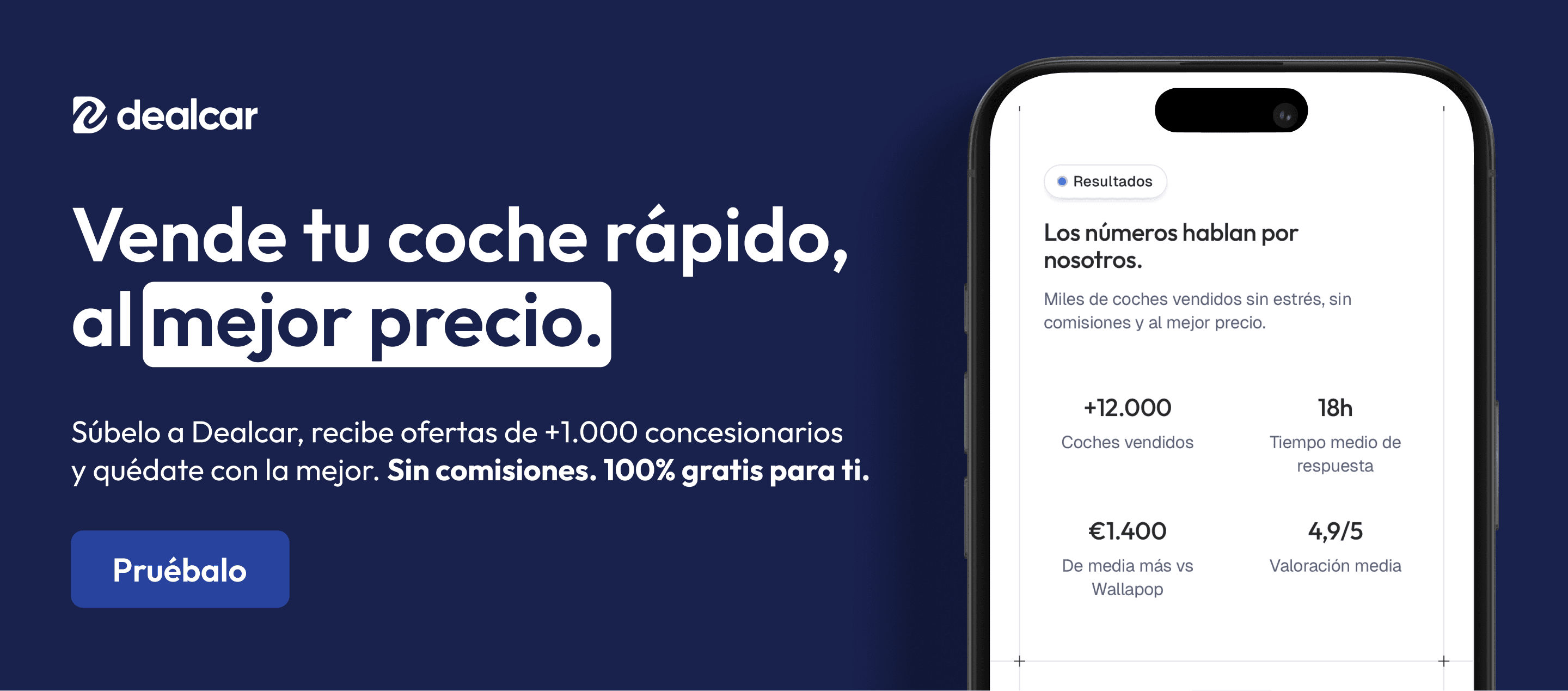
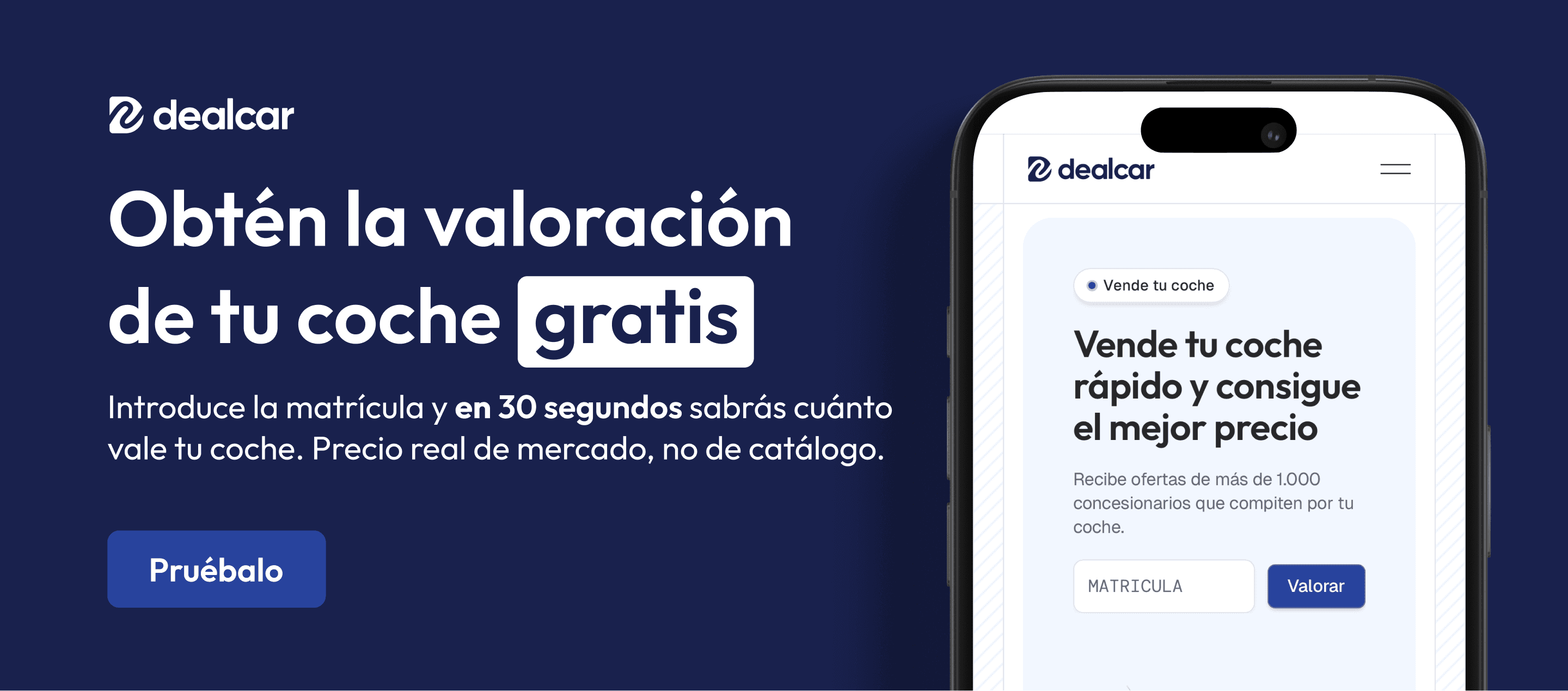
Value your car for free in under 30 seconds. You enter the registration number and vehicle details, and receive a valuation based on real prices from completed sales. From there, more than 1,000 verified professional traders bid against each other to buy it. You compare and choose the best offer.
100% free for you. No commissions or hidden costs.
You get paid before handing over the keys. Bank transfer before you hand over the car.
They collect the car from your home. No need to travel.
No paperwork. The buyer handles the transfer, DVLA and all the admin.
On average, £1,400 more than selling on Wallapop.
More than 12,000 cars sold and an average rating of 4.9 out of 5.
Use Dealcar’s free valuation tool.
Frequently asked questions
Is it safe to sell a car privately?
It can be, if you take precautions: meet in public places, receive payment by verified bank transfer, do not hand over the car before receiving payment and always sign a contract. The risk of scams or non-payment exists and it is your responsibility to prevent it.
Who pays the transfer costs?
Usually the buyer pays them. The costs include the DVLA fee (around £55), any agent’s fees if used (£40-80) and the Stamp Duty/transfer tax, which varies depending on the autonomous community.
Can I sell my car privately if it is financed?
Yes, but you need to pay off the finance and remove the retention of title before completing the transfer. You can do this with your own funds, with the sale proceeds or through a dealer that manages the process. Consult our guide on how to sell a financed car.
What happens if the buyer does not process the transfer?
If you have notified the sale to the DVLA within 10 days, fines and liabilities will stop coming to you. If you have not notified them, you will remain the registered keeper. Always notify the sale, regardless of what the buyer does.
Is it better to sell privately or to a dealer?
It depends on what you prioritise. Privately, you may achieve a slightly higher price if you have patience and a car in demand, but the process is long and you have to manage everything yourself. Selling to dealers (especially if several are competing for your car) is faster, more convenient and removes the risks of a private sale.
Contents
Before you start: is selling privately right for you?
Step 1: Check the vehicle’s status
Step 2: Gather the paperwork
Step 3: Set the sale price
Step 4: Publish the advert
Step 5: Manage enquiries and viewings
Step 6: Negotiate and close the deal
Step 7: Sign the sale and purchase agreement
Step 8: Receive payment and hand over the car
Step 9: Notify the DVLA of the sale
Step 10: Post-sale tasks
How long the whole process takes
Frequently asked questions
Selling a car privately is the option that gives you the most control over the process. You decide the price, choose the buyer and manage the transaction from start to finish. But that freedom comes at a cost: all the work falls on you. Photos, advert, calls, viewings, negotiation, contract, payment and paperwork.
If you know what you are doing, the process is manageable and can get you a good price. If you make it up as you go along, it is easy to lose time, money or both. The difference lies in following the right steps and doing them in the right order.
In this guide we explain the full process from start to finish, with the practical details that most guides leave out.
Before you start: is selling privately right for you?
Before you jump in, it is worth assessing whether a private sale is the best option for your situation. It works well when you have time (at least 4-8 weeks), your car is in good demand (popular models, reasonable mileage), you are comfortable negotiating and you do not mind handling calls, viewings and paperwork.
It does not work so well when you need to sell quickly, your car has features that make it harder to sell (high mileage, an unpopular make, visible damage), or you simply do not want to spend time managing the process.
If you want to sell quickly without sacrificing price, platforms where professional dealers compete for your car can give you a better result with far less effort. But if you decide to go down the private-to-private route, these are the steps.
Step 1: Check the vehicle’s status
Before doing anything else, check that your car is in a condition to be sold without problems. This means checking three things.
Registration status with the DVLA. Access the DVLA’s online services (with a digital certificate, electronic ID or Cl@ve) and verify that the vehicle has no active charges, liens or retention of title. If any charge appears, you will need to resolve it before you can transfer the vehicle. You can consult our guide on how to sell a car with outstanding charges if you are in this situation.
Valid MOT. Check the MOT expiry date. If it is due to expire soon or has already expired, consider taking it before selling. A car with a valid MOT is easier to sell and justifies a higher price. A car without an MOT limits the buyer (they cannot legally drive it) and exposes you to tougher negotiation.
Road tax up to date. Check that the current year’s vehicle tax has been paid. If there are any outstanding bills, the buyer may demand this is settled before closing the deal.
Step 2: Gather the paperwork
Once the vehicle’s status has been checked, the next step is to have all the paperwork ready. Do not wait until you have a buyer to start looking for documents.
The minimum documents you need are the current ID card/passport of the registered owner, the V5C registration certificate, the vehicle inspection sheet (MOT certificate), the latest paid vehicle tax receipt and the complete set of car keys (ideally both sets).
Additional documents that help the sale and justify a higher price include the service book with stamped maintenance entries, repair and servicing invoices, a vehicle history report (CARFAX, Carvertical) and the original purchase invoice.
If you need the details of each document and where to get it, consult our guide to the documents needed to sell a car.
Step 3: Set the sale price
The asking price is the decision that has the biggest impact on the whole process. A well-set price attracts buyers quickly. A poorly set price costs you weeks.
Research the market. Look for cars identical to yours (same model, year, similar mileage, same trim) on Coches.net, AutoScout24 and Wallapop. Note the average asking price and remember that the actual sale price is 5-15% lower.
Use valuation tools. The calculators from Coches.net, AutoScout24 and Ganvam’s tables give you a useful benchmark. If you want the most reliable figure, you can value your car online for free and compare it with offers from professional buyers.
Adjust for the actual condition. If your car is spotless, with low mileage and desirable extras (automatic gearbox, panoramic roof, 360 camera), you can position it at the upper end of the range. If it has knocks, wear or mileage above average, adjust downwards.
Leave room for negotiation. The private buyer will always try to negotiate. Add 5-8% to the minimum price you would accept. No more, because an excessive price puts buyers off more than it protects you.
Step 4: Publish the advert
With the price set, it is time to publish. The most widely used platforms for private sales in Spain are Wallapop (free, highest user volume), Coches.net (paid, more qualified audience), Milanuncios (free, high volume) and AutoScout24 (paid, European benchmark).
You can publish on several at once to maximise exposure.
Photos. This is the factor that generates the most clicks. Clean car, natural light, exterior, at least 10 photos from all angles. Include pictures of the dashboard, instrument cluster with mileage visible, seats, boot and any visible defects. Transparency builds trust.
Description. Include all technical details (make, model, trim, year, mileage, fuel, gearbox, power, colour) and the standout extras. Mention the car’s condition honestly, the date of the last MOT and whether it has documented service history. A complete description filters out time-wasters and attracts serious buyers.
Title. Straightforward format: "Make Model Trim Year — Highlight". Example: "Peugeot 3008 Allure 1.5 BlueHDi 2021 — 38,000 miles, panoramic roof".
Step 5: Manage enquiries and viewings
Once published, messages will start coming in. Some will be from serious buyers. Many will be from curious people, resellers looking for bargains and people asking things that are already in the advert.
Filter before agreeing to viewings. Reply to messages with direct questions: "Have you seen the photos and description? Does the price fit your budget? When do you intend to buy?". This weeds out people with no real intent without wasting your time on viewings.
Arrange viewings sensibly. Always meet in a public, safe place (shopping centre car park, petrol station, busy area). Avoid meeting at your home. If you can, group several viewings on the same day to create a sense of demand.
Prepare the car for each viewing. It may seem obvious, but many sellers show the car dirty or with a messy interior. Every viewing is a sales opportunity: treat it as such.
Step 6: Negotiate and close the deal
When a buyer shows real interest, negotiation begins. Some practical tips.
Know your minimum price. Before negotiating, decide internally on the figure below which you will not sell. That number is not negotiable. Anything above it is deal territory.
Back it up with facts. "The MOT was just done and runs until 2027," "it has all its servicing recorded at an official dealer," "on the listings, cars with more mileage are advertised at £X". Concrete facts are more persuasive than opinions.
Do not respond to ridiculous offers. If someone offers 25-30% less than what you are asking, do not make a counter-offer: tell them the price is in line with the market and that you are open to a reasonable negotiation. If they insist on unrealistic figures, they are not your buyer.
Create a sense of demand without lying. If you have more viewings booked, mention it: "another interested person is coming tomorrow". If that is true, it changes the negotiation dynamic. If it is not true, do not say it.
Step 7: Sign the sale and purchase agreement
Once you have agreed a price, formalise the transaction in writing. The sale and purchase agreement is your main protection against any later issues.
The agreement should include the full details of the seller and buyer (name, ID number, address), vehicle details (make, model, registration, VIN, mileage), sale price in figures and words, payment method, declaration of the vehicle’s condition (including known defects), declaration of charges (free of charges or details of any existing ones), date and place, and signatures of both parties.
Both parties should keep a signed copy. If you need a template, you can download Dealcar’s free sale and purchase agreement template. For more detail on special clauses, consult our full guide to the car sale and purchase agreement.
Step 8: Receive payment and hand over the car
The order matters: first receive the money, then hand over the car. Never the other way round.
Payment method. Bank transfer. It is the safest method and leaves documentary proof. Cash payments between private individuals are limited to €1,000 by law. Do not accept cheques (they may be fraudulent or have insufficient funds) or promises of future payment.
Confirming payment. Do not hand over the car or the paperwork until the money has been confirmed in your bank account. A transfer can take anywhere from a few hours to 1-2 working days to clear. If the buyer shows you a transfer receipt, wait for your bank’s actual confirmation.
Handover. Once payment has been confirmed, hand over the keys, the V5C, the MOT certificate and any additional documentation (service book, invoices, etc.). Keep a copy of the signed agreement and the transfer receipt.
Step 9: Notify the DVLA of the sale
This step is mandatory and urgent. You have 10 calendar days from the date of sale to notify the DVLA that you have sold the vehicle. If you do not do this, you will still be shown as the registered keeper for administrative purposes, which means any fines, accidents or liabilities involving the car will be yours.
The notification can be made online through the DVLA’s website (sede.dgt.gob.es) with a digital certificate, electronic ID or Cl@ve. It is free and takes minutes to complete.
If you do not have online access, you can do it in person at a traffic office by appointment, bringing your ID, the registration certificate and a copy of the agreement.
Do not rely on the buyer to complete the change of keeper quickly. The sale notification is your safeguard: always do it, regardless of what the buyer does.
Step 10: Post-sale tasks
With the car sold, the agreement signed and the DVLA notified, there are a few last tasks left.
Cancel the insurance. Contact your insurer to let them know the car has been sold. Depending on the company, you can cancel the policy (and recover the pro-rata premium) or transfer it to another vehicle.
Car-related services. If you had the car registered with parking apps, toll services (Via-T), roadside assistance or any other service, cancel it to avoid charges.
Check the transfer. After a few days, check on the DVLA website that the car no longer appears in your name. If the transfer has not been completed, contact the buyer to remind them. Your sale notification protects you legally, but having the keeper change completed gives you complete peace of mind.
Keep the paperwork. Keep a copy of the agreement, proof of payment and proof of the DVLA notification for at least five years. They are your back-up in the event of any future claim.
How long the whole process takes
The total time mainly depends on how long it takes you to find a buyer. The administrative steps (paperwork, contract, DVLA notification) can be handled in 1-2 days if you have everything ready.
Phase | Estimated time |
|---|---|
Preparation (paperwork, photos, price) | 1-2 days |
Publishing and receiving enquiries | 1-2 weeks (variable) |
Viewings and negotiation | 1-4 weeks (variable) |
Completion (contract, payment, handover) | 1-3 days |
DVLA notification and post-sale tasks | 1 day |
Total estimated | 3-8 weeks |
If your car is popular and the price is right, the process can be significantly shorter. If it is a less in-demand model or the price is high, it can stretch to several months.
For comparison: if you sell through a platform where dealers bid for your car, the first offers arrive in less than 18 hours and the deal can be completed within a week, including paperwork. The difference in time is notable.
Dealcar: value your car for free and receive dealer offers
If after reading this guide you would rather avoid the work of publishing, managing viewings and negotiating, Dealcar offers an alternative.
Value your car for free in under 30 seconds. You enter the registration number and vehicle details, and receive a valuation based on real prices from completed sales. From there, more than 1,000 verified professional traders bid against each other to buy it. You compare and choose the best offer.
100% free for you. No commissions or hidden costs.
You get paid before handing over the keys. Bank transfer before you hand over the car.
They collect the car from your home. No need to travel.
No paperwork. The buyer handles the transfer, DVLA and all the admin.
On average, £1,400 more than selling on Wallapop.
More than 12,000 cars sold and an average rating of 4.9 out of 5.
Use Dealcar’s free valuation tool.
Frequently asked questions
Is it safe to sell a car privately?
It can be, if you take precautions: meet in public places, receive payment by verified bank transfer, do not hand over the car before receiving payment and always sign a contract. The risk of scams or non-payment exists and it is your responsibility to prevent it.
Who pays the transfer costs?
Usually the buyer pays them. The costs include the DVLA fee (around £55), any agent’s fees if used (£40-80) and the Stamp Duty/transfer tax, which varies depending on the autonomous community.
Can I sell my car privately if it is financed?
Yes, but you need to pay off the finance and remove the retention of title before completing the transfer. You can do this with your own funds, with the sale proceeds or through a dealer that manages the process. Consult our guide on how to sell a financed car.
What happens if the buyer does not process the transfer?
If you have notified the sale to the DVLA within 10 days, fines and liabilities will stop coming to you. If you have not notified them, you will remain the registered keeper. Always notify the sale, regardless of what the buyer does.
Is it better to sell privately or to a dealer?
It depends on what you prioritise. Privately, you may achieve a slightly higher price if you have patience and a car in demand, but the process is long and you have to manage everything yourself. Selling to dealers (especially if several are competing for your car) is faster, more convenient and removes the risks of a private sale.


