In the world of used cars, it is increasingly common for dealerships to buy and sell vehicles across different provinces. This expands the market and opportunities, but also introduces new logistical challenges. At Dealcar, we tell you everything you need to know to manage logistics, transport and delivery effectively in interprovincial operations, whether between professionals (B2B) or with the end customer.
Why is it important to optimise interprovincial logistics?
Time and cost savings
Well-planned logistics avoids delays, extra costs and errors that can affect the profitability of the operation.
Improved customer experience
In B2C operations, a punctual delivery with no incidents strengthens the buyer’s trust and improves the dealership’s reputation.
Greater competitiveness
Offering transport between provinces allows you to attract more customers, expand your catchment areas and access better buying opportunities.
Key elements in interprovincial logistics
1. Route planning
Define exact origin and destination
Estimate travel times
Consider bank holidays, delivery times and traffic conditions
2. Choosing the transport method
Own transport (van, tow truck, trailer)
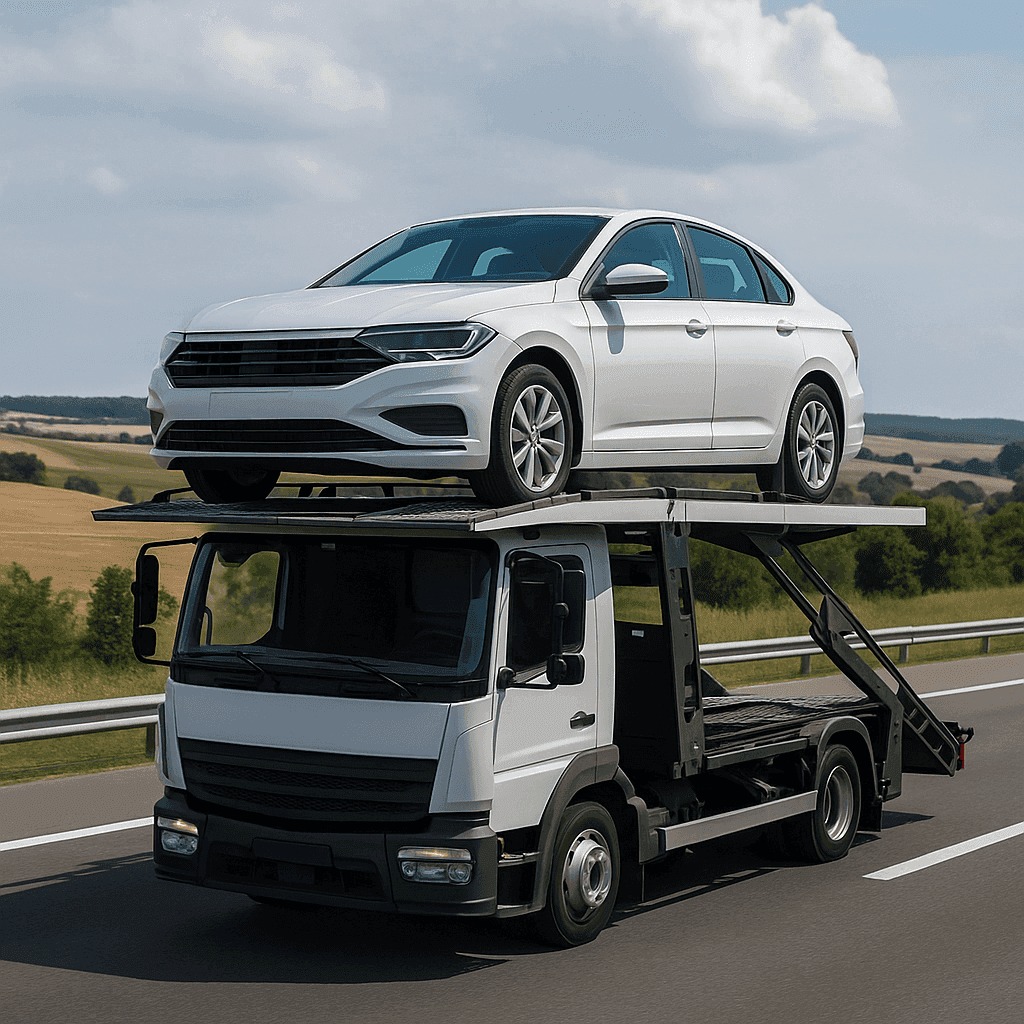
Hiring a logistics company (single or multi-car transporter)
Collaborative transport platforms (such as Shiply or similar)
3. Required documentation
Purchase and sale agreement (if applicable)
Invoice
Collection authorisation (in the case of third parties)
Transport insurance (highly recommended)
4. Vehicle inspection
Check before sending: fuel level, visible damage, cleanliness
Photographs of the car’s condition
Sign the collection and delivery note
5. Delivery tracking
GPS or direct contact with the transport provider
Delivery confirmation to the customer or receiving point
Incidents documented at the time
Summary table of the interprovincial logistics process
Stage | Who is involved | Recommended tools | Key recommendations |
|---|---|---|---|
Route planning | Sales / logistics | Google Maps, Waze, Dealcar | Avoid bank holidays and urban stretches |
Transport selection | Manager / logistics | Transport companies, platforms | Compare prices and times |
Vehicle preparation | Workshop / reception | Visual inspection checklist | Photos and a full inspection before sending |
Documentation | Administration | Templates, CRM, Dealcar | Everything signed and digitised |
Tracking and delivery | Logistics / salesperson | WhatsApp, calls, GPS apps | Confirm with the customer or final recipient |
Delivery to the end customer in another province
1. Clear, advance coordination
Let the customer know the day and estimated time slot
Inform them who will deliver the car and under what conditions
2. Vehicle in delivery condition
Exterior and interior cleaning
Final check: lights, brakes, A/C, tyres
Enough fuel to drive
3. Handover signature and documentation
Contract and warranty signed beforehand or at the time
Manual, spare key, registration document
Delivery report with signature and notes, if applicable
4. After-sales follow-up
Courtesy call or message to check satisfaction
Activation of warranty or contracted services
Request for an online opinion or review
Best practices for independent dealerships
Create a standard transport protocol for your team
Use transport services with references and insurance
Digitise the whole process with tools such as Dealcar
Offer the customer the option of collection or home delivery
Document everything with photographs and signed forms
Conclusion
Interprovincial logistics is no longer exclusive to large groups. Today, any independent dealership can sell (and deliver) a car to another province professionally. With good planning, reliable providers and clear processes, you can turn every delivery into an experience that strengthens your brand.
At Dealcar, we help hundreds of dealerships organise their stock, plan deliveries and maintain an agile logistics flow. Take advantage of this benefit and make every interprovincial operation a success.
FAQ – Frequently Asked Questions
What is the best transport method for sending a car between provinces?
It depends on budget and urgency. For speed, a single-car transporter. For savings, a shared platform.
Is transport insurance necessary?
It is not legally required, but it is highly recommended to cover damage during transit.
Can I use my own tow truck or trailer?
Yes, but make sure you comply with traffic regulations, weight limits and the documentation required for the vehicle in motion.
What happens if the car arrives damaged?
It is important to have previous photographs, a signed handover note, and immediate communication of the incident.
Is it a good idea to deliver cars directly to the customer?
Yes, if it is done well. A good delivery can build customer loyalty and set you apart from the competition.
In the world of used cars, it is increasingly common for dealerships to buy and sell vehicles across different provinces. This expands the market and opportunities, but also introduces new logistical challenges. At Dealcar, we tell you everything you need to know to manage logistics, transport and delivery effectively in interprovincial operations, whether between professionals (B2B) or with the end customer.
Why is it important to optimise interprovincial logistics?
Time and cost savings
Well-planned logistics avoids delays, extra costs and errors that can affect the profitability of the operation.
Improved customer experience
In B2C operations, a punctual delivery with no incidents strengthens the buyer’s trust and improves the dealership’s reputation.
Greater competitiveness
Offering transport between provinces allows you to attract more customers, expand your catchment areas and access better buying opportunities.
Key elements in interprovincial logistics
1. Route planning
Define exact origin and destination
Estimate travel times
Consider bank holidays, delivery times and traffic conditions
2. Choosing the transport method
Own transport (van, tow truck, trailer)
Hiring a logistics company (single or multi-car transporter)
Collaborative transport platforms (such as Shiply or similar)
3. Required documentation
Purchase and sale agreement (if applicable)
Invoice
Collection authorisation (in the case of third parties)
Transport insurance (highly recommended)
4. Vehicle inspection
Check before sending: fuel level, visible damage, cleanliness
Photographs of the car’s condition
Sign the collection and delivery note
5. Delivery tracking
GPS or direct contact with the transport provider
Delivery confirmation to the customer or receiving point
Incidents documented at the time
Summary table of the interprovincial logistics process
Stage | Who is involved | Recommended tools | Key recommendations |
|---|---|---|---|
Route planning | Sales / logistics | Google Maps, Waze, Dealcar | Avoid bank holidays and urban stretches |
Transport selection | Manager / logistics | Transport companies, platforms | Compare prices and times |
Vehicle preparation | Workshop / reception | Visual inspection checklist | Photos and a full inspection before sending |
Documentation | Administration | Templates, CRM, Dealcar | Everything signed and digitised |
Tracking and delivery | Logistics / salesperson | WhatsApp, calls, GPS apps | Confirm with the customer or final recipient |
Delivery to the end customer in another province
1. Clear, advance coordination
Let the customer know the day and estimated time slot
Inform them who will deliver the car and under what conditions
2. Vehicle in delivery condition
Exterior and interior cleaning
Final check: lights, brakes, A/C, tyres
Enough fuel to drive
3. Handover signature and documentation
Contract and warranty signed beforehand or at the time
Manual, spare key, registration document
Delivery report with signature and notes, if applicable
4. After-sales follow-up
Courtesy call or message to check satisfaction
Activation of warranty or contracted services
Request for an online opinion or review
Best practices for independent dealerships
Create a standard transport protocol for your team
Use transport services with references and insurance
Digitise the whole process with tools such as Dealcar
Offer the customer the option of collection or home delivery
Document everything with photographs and signed forms
Conclusion
Interprovincial logistics is no longer exclusive to large groups. Today, any independent dealership can sell (and deliver) a car to another province professionally. With good planning, reliable providers and clear processes, you can turn every delivery into an experience that strengthens your brand.
At Dealcar, we help hundreds of dealerships organise their stock, plan deliveries and maintain an agile logistics flow. Take advantage of this benefit and make every interprovincial operation a success.
FAQ – Frequently Asked Questions
What is the best transport method for sending a car between provinces?
It depends on budget and urgency. For speed, a single-car transporter. For savings, a shared platform.
Is transport insurance necessary?
It is not legally required, but it is highly recommended to cover damage during transit.
Can I use my own tow truck or trailer?
Yes, but make sure you comply with traffic regulations, weight limits and the documentation required for the vehicle in motion.
What happens if the car arrives damaged?
It is important to have previous photographs, a signed handover note, and immediate communication of the incident.
Is it a good idea to deliver cars directly to the customer?
Yes, if it is done well. A good delivery can build customer loyalty and set you apart from the competition.