If you have bought, or are thinking of buying, a vehicle from outside the European Union and your intention is to sell it in Spain, this detailed guide will help you understand all the steps needed to import it and register it legally.
Although importing a vehicle from outside the European Union is not a straightforward process, with the right information and effective planning, you can do it efficiently and enjoy your new vehicle safely and legally. This guide will provide you with all the details needed to carry out the process successfully.
Table of contents
Requirements before importation
Before starting the importation process, it is important to bear in mind some предварительные requirements:
Find out about the steps and payments to be made at customs: You can find all this information on the website of the Tax Agency. It is essential to know the procedures and costs involved before you begin.
Check that the vehicle complies with European type-approval certificates: If the vehicle does not have these certificates, you will have to carry out additional procedures in order to register it.
Obtain the documentation proving ownership of the vehicle: Make sure you have a copy of the purchase agreement signed by both parties or an invoice if you bought the vehicle from a company. This documentation is essential to prove ownership of the vehicle.
Get the original vehicle documentation: If the registration certificate or technical inspection card was withdrawn in the country of origin, you can replace them with copies certified by the competent authority or by the Ministry of Foreign Affairs of the country of origin or its diplomatic representation in Spain.
Customs procedures and associated payments
To import a vehicle from outside the European Union legally, it must go through customs. There you will have to pay the corresponding taxes and fees, and afterwards they will issue you with the Single Administrative Document, or SAD. This document is essential for fulfilling customs formalities.
The costs associated with importation will vary depending on the vehicle's country of origin, its initial price and other factors such as duties, import taxes and registration fees. In general, you will have to pay:
Duty: 2.5% of the amount shown on the invoice.
VAT: 21% of the amount shown on the invoice.
It is important that you keep proof of these payments, even if you have not had to pay them, as you may need them in the future. Some of these proofs may be tax exemption certificates.
European type-approval certificates
In addition to customs procedures, the imported vehicle must comply with the European type-approval certificates currently in force. This is essential, as if it does not have them, you will have to carry out additional procedures in order to register it.
In some cases, it may even be impossible to register the vehicle in Spain if it does not meet the type-approval requirements. For example, if it does not comply with emissions regulations or does not have the European Certificate of Conformity (CoC).
It is crucial to verify that the vehicle complies with these certificates before starting the importation process, as otherwise you could face significant obstacles to its registration.
Vehicle documentation required
When purchasing the vehicle, it is important that you keep the documentation proving ownership of it. This includes:
Purchase agreement signed by both parties: If the vehicle was bought from a private individual.
Invoice: If you bought the vehicle from a company.
Original vehicle documentation: Registration certificate, technical inspection card, etc. If these documents were withdrawn in the country of origin, you can replace them with certified copies.
It is important to keep this documentation, as it will be needed in the next steps of the importation process. Without the proper documentation, ownership of the vehicle cannot be proven and there will be problems with its registration.
Transporting the vehicle to Spain
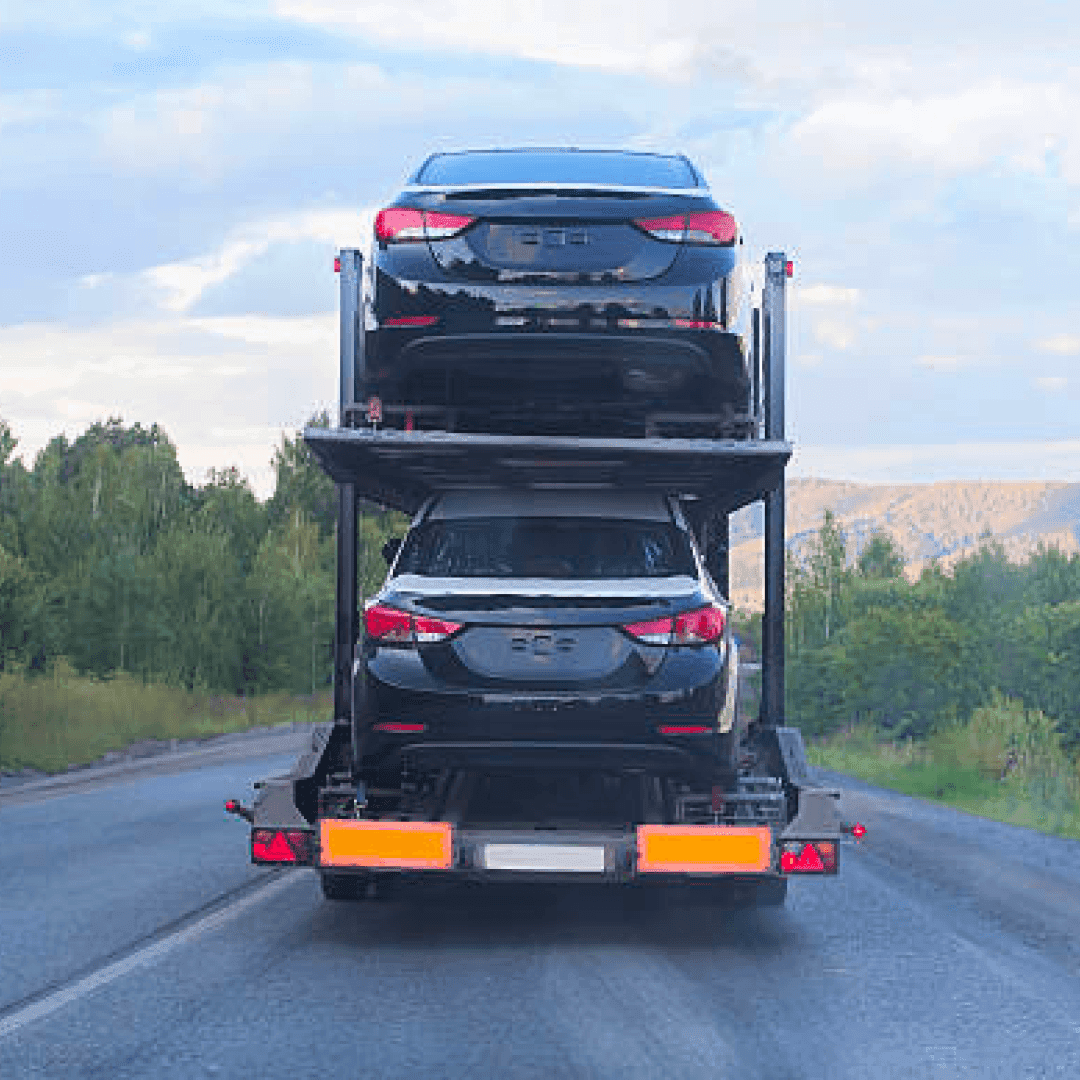
Once you have purchased the vehicle and have all the necessary documentation, you need to decide how to transport it to Spain. There are several options:
Transport service: If the vehicle is bought in a European Union country, you can use a transport service, which simplifies the process. Although it has an additional cost, it avoids having to drive the vehicle by road.
Driving the vehicle by road: If you decide to bring it by road yourself, you should bear in mind that in countries such as Germany and Belgium it is necessary to apply for a temporary number plate. In others, such as France, you can use the vehicle's own number plate, but you will have to pay for insurance.
It is important to carefully assess the transport options and choose the one that best suits your needs and budget. Remember that if you decide to drive the vehicle by road, you must comply with the specific requirements of each country you pass through.
Type-approval process in Spain
Before the vehicle can be registered in Spain, it must go through a type-approval process. Normally, the type-approval certificate is provided by the vehicle manufacturer. However, if it is a used vehicle or one coming from a country outside the European Union, it will have to undergo a type-approval technical inspection.
This process is carried out at an authorised ITV centre. You will need to present the following documentation:
Vehicle documentation (registration certificate, technical inspection card, etc.)
Purchase documentation (purchase agreement or invoice)
Single Administrative Document (SAD)
If the inspection result is favourable, the ITV centre will issue you with the vehicle's technical data sheet in Spanish format. This technical data sheet is an essential document in order to register the vehicle in Spain.
Paying taxes and fees in Spain
Once the vehicle has passed the technical inspection and has been type-approved, you will have to pay the corresponding taxes and fees in Spain. These costs will depend on whether the importation has been carried out within or outside the European Union, and will also be related to the vehicle's CO2 emissions.
The main payments to be made are:
Property Transfer Tax: If the vehicle was bought from a private individual.
Special Tax on Certain Means of Transport (IEDMT): This tax is calculated according to the vehicle's CO2 emissions. Vehicles that emit more than 200 g/km of CO2 will be taxed at a higher rate.
Motor Vehicle Tax (IVTM): Also known as the "road tax", it is paid annually and varies according to the vehicle's fiscal horsepower and the municipality where it is registered.
Our recommendation is that you keep proof of these payments, as they may be needed in the future. In addition, it is important to bear in mind that the amounts may vary from one year to the next, so it is advisable to check the updated fees when carrying out the procedures.
Registration and registration with the DGT
Once all the previous steps have been completed, it is time to register the vehicle with the Directorate-General for Traffic (DGT). This can be done in person or online.
The cost of the registration procedure varies for mopeds and for other vehicles, and the amount may change from one year to the next. To check the most up-to-date cost, visit the website of the DGT.
After completing the registration, you will need to buy the vehicle number plates from a specialist shop and fit them in the appropriate place. You cannot drive an imported vehicle in Spain without Spanish number plates.
If the procedures for final registration take longer, the DGT offers you the possibility of applying for temporary registration. They will provide you with a green plate, with which you can drive for two months, renewable, while you complete the procedures for final registration.
Final considerations
Some final recommendations:
Find out thoroughly about the requirements and associated costs: Each country and situation may have specific particularities.
Plan ahead: Some procedures can take time, so make sure you allow sufficient time.
Seek professional advice if you need it: If you have any doubts or encounter difficulties, do not hesitate to seek help from experts in the field.
Consider all the options: Before importing a vehicle, also assess the possibility of buying a second-hand vehicle in Spain, as it may be a simpler and more economical option.
If you have bought, or are thinking of buying, a vehicle from outside the European Union and your intention is to sell it in Spain, this detailed guide will help you understand all the steps needed to import it and register it legally.
Although importing a vehicle from outside the European Union is not a straightforward process, with the right information and effective planning, you can do it efficiently and enjoy your new vehicle safely and legally. This guide will provide you with all the details needed to carry out the process successfully.
Table of contents
Requirements before importation
Before starting the importation process, it is important to bear in mind some предварительные requirements:
Find out about the steps and payments to be made at customs: You can find all this information on the website of the Tax Agency. It is essential to know the procedures and costs involved before you begin.
Check that the vehicle complies with European type-approval certificates: If the vehicle does not have these certificates, you will have to carry out additional procedures in order to register it.
Obtain the documentation proving ownership of the vehicle: Make sure you have a copy of the purchase agreement signed by both parties or an invoice if you bought the vehicle from a company. This documentation is essential to prove ownership of the vehicle.
Get the original vehicle documentation: If the registration certificate or technical inspection card was withdrawn in the country of origin, you can replace them with copies certified by the competent authority or by the Ministry of Foreign Affairs of the country of origin or its diplomatic representation in Spain.
Customs procedures and associated payments
To import a vehicle from outside the European Union legally, it must go through customs. There you will have to pay the corresponding taxes and fees, and afterwards they will issue you with the Single Administrative Document, or SAD. This document is essential for fulfilling customs formalities.
The costs associated with importation will vary depending on the vehicle's country of origin, its initial price and other factors such as duties, import taxes and registration fees. In general, you will have to pay:
Duty: 2.5% of the amount shown on the invoice.
VAT: 21% of the amount shown on the invoice.
It is important that you keep proof of these payments, even if you have not had to pay them, as you may need them in the future. Some of these proofs may be tax exemption certificates.
European type-approval certificates
In addition to customs procedures, the imported vehicle must comply with the European type-approval certificates currently in force. This is essential, as if it does not have them, you will have to carry out additional procedures in order to register it.
In some cases, it may even be impossible to register the vehicle in Spain if it does not meet the type-approval requirements. For example, if it does not comply with emissions regulations or does not have the European Certificate of Conformity (CoC).
It is crucial to verify that the vehicle complies with these certificates before starting the importation process, as otherwise you could face significant obstacles to its registration.
Vehicle documentation required
When purchasing the vehicle, it is important that you keep the documentation proving ownership of it. This includes:
Purchase agreement signed by both parties: If the vehicle was bought from a private individual.
Invoice: If you bought the vehicle from a company.
Original vehicle documentation: Registration certificate, technical inspection card, etc. If these documents were withdrawn in the country of origin, you can replace them with certified copies.
It is important to keep this documentation, as it will be needed in the next steps of the importation process. Without the proper documentation, ownership of the vehicle cannot be proven and there will be problems with its registration.
Transporting the vehicle to Spain
Once you have purchased the vehicle and have all the necessary documentation, you need to decide how to transport it to Spain. There are several options:
Transport service: If the vehicle is bought in a European Union country, you can use a transport service, which simplifies the process. Although it has an additional cost, it avoids having to drive the vehicle by road.
Driving the vehicle by road: If you decide to bring it by road yourself, you should bear in mind that in countries such as Germany and Belgium it is necessary to apply for a temporary number plate. In others, such as France, you can use the vehicle's own number plate, but you will have to pay for insurance.
It is important to carefully assess the transport options and choose the one that best suits your needs and budget. Remember that if you decide to drive the vehicle by road, you must comply with the specific requirements of each country you pass through.
Type-approval process in Spain
Before the vehicle can be registered in Spain, it must go through a type-approval process. Normally, the type-approval certificate is provided by the vehicle manufacturer. However, if it is a used vehicle or one coming from a country outside the European Union, it will have to undergo a type-approval technical inspection.
This process is carried out at an authorised ITV centre. You will need to present the following documentation:
Vehicle documentation (registration certificate, technical inspection card, etc.)
Purchase documentation (purchase agreement or invoice)
Single Administrative Document (SAD)
If the inspection result is favourable, the ITV centre will issue you with the vehicle's technical data sheet in Spanish format. This technical data sheet is an essential document in order to register the vehicle in Spain.
Paying taxes and fees in Spain
Once the vehicle has passed the technical inspection and has been type-approved, you will have to pay the corresponding taxes and fees in Spain. These costs will depend on whether the importation has been carried out within or outside the European Union, and will also be related to the vehicle's CO2 emissions.
The main payments to be made are:
Property Transfer Tax: If the vehicle was bought from a private individual.
Special Tax on Certain Means of Transport (IEDMT): This tax is calculated according to the vehicle's CO2 emissions. Vehicles that emit more than 200 g/km of CO2 will be taxed at a higher rate.
Motor Vehicle Tax (IVTM): Also known as the "road tax", it is paid annually and varies according to the vehicle's fiscal horsepower and the municipality where it is registered.
Our recommendation is that you keep proof of these payments, as they may be needed in the future. In addition, it is important to bear in mind that the amounts may vary from one year to the next, so it is advisable to check the updated fees when carrying out the procedures.
Registration and registration with the DGT
Once all the previous steps have been completed, it is time to register the vehicle with the Directorate-General for Traffic (DGT). This can be done in person or online.
The cost of the registration procedure varies for mopeds and for other vehicles, and the amount may change from one year to the next. To check the most up-to-date cost, visit the website of the DGT.
After completing the registration, you will need to buy the vehicle number plates from a specialist shop and fit them in the appropriate place. You cannot drive an imported vehicle in Spain without Spanish number plates.
If the procedures for final registration take longer, the DGT offers you the possibility of applying for temporary registration. They will provide you with a green plate, with which you can drive for two months, renewable, while you complete the procedures for final registration.
Final considerations
Some final recommendations:
Find out thoroughly about the requirements and associated costs: Each country and situation may have specific particularities.
Plan ahead: Some procedures can take time, so make sure you allow sufficient time.
Seek professional advice if you need it: If you have any doubts or encounter difficulties, do not hesitate to seek help from experts in the field.
Consider all the options: Before importing a vehicle, also assess the possibility of buying a second-hand vehicle in Spain, as it may be a simpler and more economical option.