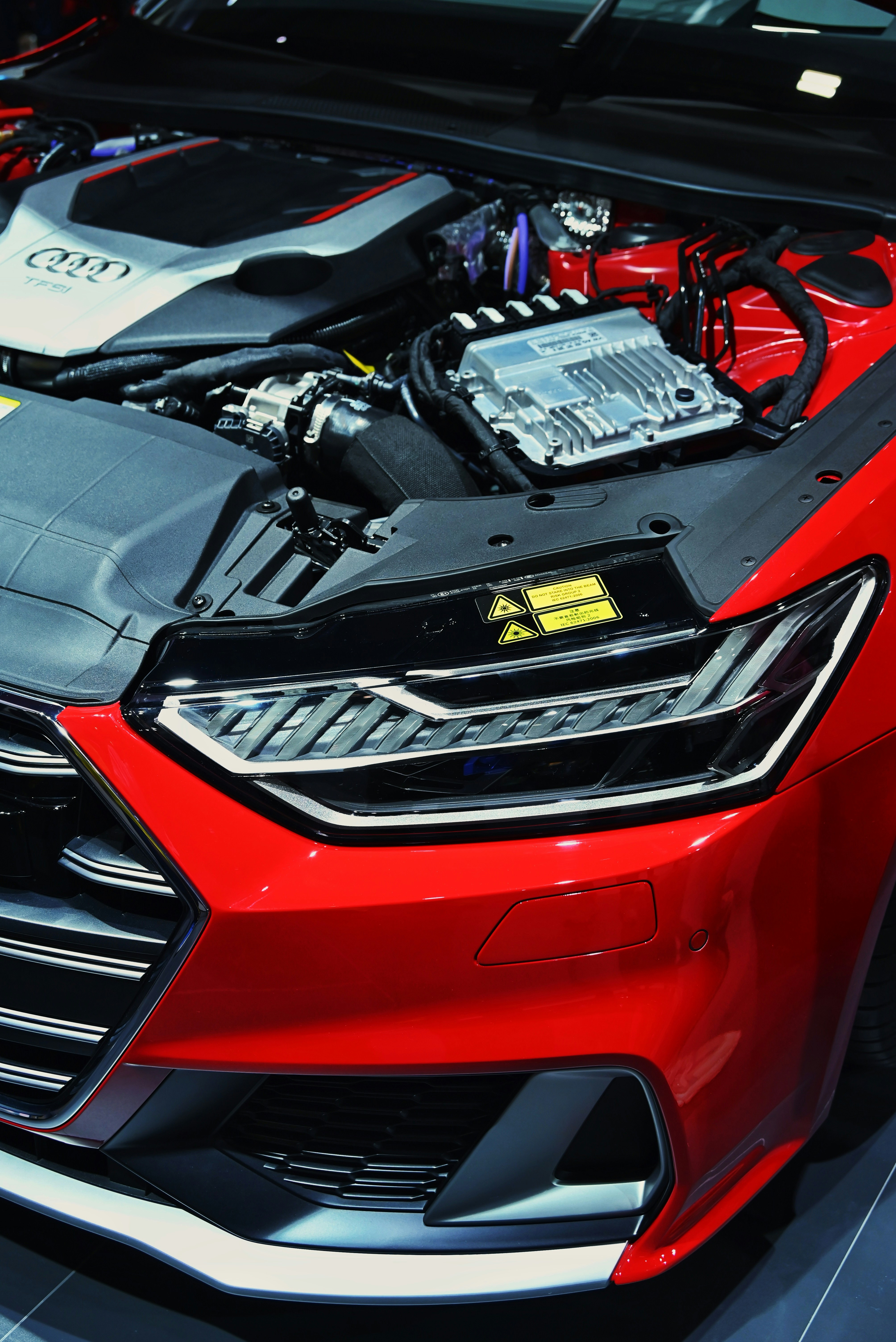
In the dynamic used car market, reliability has become a crucial factor for both buyers and sellers. This article explores the fundamental keys to buying and selling second-hand vehicles, focusing on the most reliable makes according to the study carried out by the Organisation of Consumers and Users (OCU). We will analyse the factors that determine a vehicle’s reliability and how this information can influence buy-sell decisions in the used car market.
Article contents
Introduction to the used car market
OCU reliability study: Methodology and results
Top 10 most reliable makes according to the OCU
Factors that influence a car’s reliability
The importance of reliability in buying and selling used cars
Considerations when selling a used car
Using management software in car buying and selling
Trends in the used car market
Final conclusions and recommendations
Introduction to the used car market
The used car market in Spain has experienced significant growth in recent years. This increase is due to several factors, such as economic uncertainty, the chip shortage affecting the production of new vehicles, and growing environmental awareness leading many consumers to opt for reuse.
Buying and selling used cars presents both opportunities and challenges. On the one hand, it offers the chance to buy vehicles at more affordable prices, but on the other, it carries the risk of buying a car with wear and tear. In this context, reliability becomes a crucial factor when considering the purchase of a used car.
Buyers look for vehicles that offer good long-term performance and require minimal maintenance, while sellers can use reliability as a strong selling point.
Some key aspects to consider in the used car market are:
The vehicle’s maintenance history
Mileage
The year of manufacture
The brand’s reputation in terms of reliability
The overall condition of the vehicle
Dealers play a fundamental role in this sector, offering warranties and additional services that can provide greater peace of mind to buyers. Moreover, market digitalisation has opened up new opportunities and sales channels, allowing buyers to access a wider range of options and sellers to reach a broader audience.
OCU reliability study: Methodology and results
The Organisation of Consumers and Users (OCU) carries out in-depth studies on car reliability on a regular basis. Its methodology is based on surveys of thousands of drivers in several European countries, providing a broad and representative view of the market.
In its latest study, the OCU gathered information from 29,873 motorists in 9 European countries. Participants provided data on their car model, the breakdowns they had experienced since purchase, and their level of satisfaction with the vehicle. In total, information from 276 different models was analysed.
To assess reliability, the OCU takes into account not only the number of breakdowns, but also their severity, the car’s age, and the kilometres driven. This comprehensive approach allows for a more accurate and fair assessment of the reliability of each make and model.
The study results are presented in the form of a ranking of the most reliable car makes, where each make receives a score based on its performance in terms of reliability. This information is invaluable for both buyers and sellers in the used car market.
Some of the factors considered in the study are:
Frequency of serious breakdowns
Recurring minor issues
Durability of key components
Overall owner satisfaction with the vehicle
Effective inventory management is crucial for dealers who want to make use of this information and offer the most reliable vehicles to their customers.
It is important to point out that the OCU updates this study regularly, making it possible to observe trends over time. For example, a general improvement in vehicle reliability has been noted in recent years, reflecting advances in technology and manufacturing processes.
In addition, the OCU study is not limited to mechanical reliability alone, but also considers aspects such as fuel consumption, emissions and overall user satisfaction. This provides a holistic view of vehicle performance, which is especially valuable in the used car market.
Top 10 most reliable makes according to the OCU
According to the OCU’s latest study, Japanese makes dominate the top 10 most reliable makes. Lexus tops the list for the second year running, closely followed by Suzuki and Subaru. This dominance of Asian makes in the top positions reflects their reputation for producing durable, low-maintenance vehicles.
It is interesting to note that two European makes, Cupra and Smart, have managed to enter the top 10. This shows that some makes from the old continent are improving significantly in terms of reliability and build quality.
The study also reveals that petrol hybrids continue to prove themselves as the cars most resistant to breakdowns. This information is particularly relevant in the current context, where energy efficiency and sustainability are increasingly important factors for buyers.
At the opposite end of the ranking, we find makes such as Land Rover, Opel, Peugeot, Citroën and Volkswagen. However, it is important to note that even these makes receive a "good" rating in terms of reliability, which indicates a high overall standard in the automotive industry.
The top 10 most reliable makes according to the OCU are:
Lexus
Suzuki
Subaru
Toyota
Honda
Mazda
Mitsubishi
Cupra
Smart
Kia
This information is crucial for car sales management, as it allows dealerships and private sellers to focus on the makes and models that offer the greatest reliability and customer satisfaction.
It is important to point out that, although these makes top the list, reliability can vary between specific models within each make. Therefore, it is advisable to research not only the make, but also the specific model being considered for purchase.
In addition, the OCU study also reveals that electric vehicles are gaining ground in terms of reliability. Although they do not yet dominate the top 10, makes such as Tesla have shown significant improvements compared with previous studies, suggesting a positive trend for the future of electric mobility.
Factors that influence a car’s reliability
A car’s reliability is the result of a combination of factors that go beyond the make. Understanding these factors is crucial for both buyers and sellers in the used car market.
One of the main factors is manufacturing quality. This includes the selection of materials, precision in assembly, and attention to detail in the production process. Makes that invest in these aspects tend to produce more durable vehicles that are more resistant to breakdowns.
Design and engineering also play a fundamental role. Cars designed with simple, proven systems tend to be more reliable than those with complex, unproven technologies. However, it is important to note that some advanced technologies, such as hybrid systems, have proven to be very reliable over time.
Maintenance is another critical factor. A well-maintained car, regardless of its make, will have a longer lifespan and fewer problems. This includes following the manufacturer’s recommended maintenance schedule, carrying out regular oil changes, and addressing minor issues before they become major ones.
Other factors that influence reliability include:
Usage conditions: Cars used mainly in the city may experience different wear from those used on the motorway.
Climate and environment: Extreme weather conditions can affect the durability of certain components.
Quality of replacement parts: Using original or high-quality parts in repairs can influence long-term reliability.
Driving style: Aggressive driving can accelerate wear on key components.
It is important to bear in mind that reliability does not only refer to the absence of breakdowns, but also to consistency in performance and the durability of components over time. Efficient management software can help dealers keep a detailed record of each vehicle’s maintenance and repair history, which in turn can positively influence potential buyers’ perception of reliability.
The importance of reliability in buying and selling used cars
According to the OCU study, 39% of respondents consider a vehicle’s reliability to be the aspect that most influences their purchase, more than price or whether it meets their needs. This statistic underlines the importance consumers attach to reliability when considering the purchase of a used car.
For sellers, reliability becomes a powerful selling point. A car with a reputation for reliability can justify a higher price and attract more potential buyers. In addition, reliable vehicles tend to sell more quickly, which can be crucial for reducing the turnaround time of used vehicles at a dealership.
The importance of reliability is reflected in several ways in the buying and selling process:
Resale value: Cars known for their reliability tend to retain their value better over time, which is beneficial for both buyers and sellers.
Maintenance costs: A reliable car generally means fewer garage visits and lower maintenance costs, an attractive factor for used car buyers.
Peace of mind: For many buyers, especially those on limited budgets, reliability means reassurance and fewer worries about possible costly breakdowns.
Differentiation in the market: For sellers, offering cars from makes known for their reliability can be a way to stand out in a competitive market.
Consumer trust: Reliability helps build trust between seller and buyer, which is essential in the used car market.
It is important for sellers to be transparent about the vehicle’s history and condition, as this reinforces the perception of reliability. Using inventory management tools can help keep a detailed record of each vehicle, which in turn can be used to demonstrate its reliability to potential buyers.
Considerations when selling a used car
Selling a used car can be a complex process, but focusing on the vehicle’s reliability can be an effective strategy for attracting buyers and achieving a good price. Here are some important considerations when selling a used car:
Highlight reliability: If your car belongs to a make known for its reliability according to studies such as the OCU’s, make sure to mention it in your sale advert.
Provide a detailed maintenance history: A full record of maintenance and repairs can be very attractive to potential buyers, as it shows that the car has been well looked after.
Be transparent about the vehicle’s condition: Honesty about any problem or pending repair can build trust with potential buyers.
Carry out a pre-sale inspection: Consider carrying out a pre-sale inspection and providing the report to interested buyers. This can increase confidence in the vehicle’s reliability.
Prepare the car for sale: A clean and well-maintained car gives a better impression of reliability. Consider carrying out any pending minor repairs before putting the car up for sale.
Set a fair price: Research your car’s market value, taking into account its reliability, condition and mileage. A fair price can attract more potential buyers.
Offer a limited warranty: If possible, consider offering a limited warranty. This can give buyers greater confidence in the vehicle’s reliability.
Provide full documentation: Have all relevant documents to hand, including the title, maintenance records and any current warranty.
Use multiple sales channels: Take advantage of online sales platforms in addition to traditional methods to reach a broader audience.
Prepare for buyers’ questions: Anticipate questions about the vehicle’s reliability and history, and prepare honest, detailed answers.
It is important to remember that selling a used car involves certain legal responsibilities. Make sure you know the key procedures and steps for a safe transaction and comply with all local regulations.
For dealers, using comprehensive management software can greatly facilitate the sales process, from inventory handling to tracking customer interactions.
Using management software in car buying and selling
In the competitive used car buying and selling market, the use of management software has become an indispensable tool for both dealers and private sellers. These technological solutions offer numerous advantages that can significantly improve efficiency and success in transactions.
Comprehensive management software can help with several key aspects of the buying and selling process:
Inventory management: It allows detailed tracking of each vehicle in stock, including its history, features and current condition. This is crucial for managing inventory efficiently and reducing vehicle turnaround time.
Customer follow-up: It facilitates lead handling and tracking interactions with potential customers, which can significantly improve conversion rates.
Data analysis: It provides valuable insights into market trends, customer preferences and sales performance, enabling informed decision-making.
Posting on multiple platforms: It allows you to post adverts on multiple sales platforms simultaneously, increasing vehicle visibility.
Document management: It helps keep all documents related to each vehicle organised, making the sales process and legal compliance easier.
Vehicle valuation: Many software packages include tools for valuing vehicles based on up-to-date market data, helping to set competitive prices.
Repair and maintenance management: It allows detailed records of repairs and maintenance carried out on each vehicle, which is crucial for demonstrating reliability.
CRM integration: Integration with customer relationship management (CRM) systems can significantly improve follow-up and customer service.
Reports and analysis: It generates detailed reports on business performance, making it possible to identify areas for improvement and opportunities.
Financial management: It helps track transactions, financing and other financial aspects of vehicle buying and selling.
For dealers, implementing a comprehensive system such as DealCar can make the difference between success and stagnation in an increasingly competitive and digitised market.
It is important to highlight that management software does not only benefit large dealerships. Regardless of scale, implementing technological tools can significantly improve efficiency and profitability in used car buying and selling.
Trends in the used car market
The used car market is constantly evolving, influenced by economic, technological and social factors. Understanding these trends is crucial for both buyers and sellers. Here are some of the most significant trends in the current market:
Rising demand for used electric and hybrid vehicles: With growing environmental awareness and stricter emissions regulations, electric and hybrid cars are becoming more popular in the second-hand market.
Digitisation of the buying and selling process: More and more transactions are being carried out online, from the initial search to the final purchase. Dealers’ websites have become crucial for attracting customers.
Greater importance of reliability and vehicle history: Buyers are better informed and value transparency about the vehicle’s history and condition more highly.
Growth of subscription and leasing services: These options are gaining popularity as alternatives to traditional buying, especially among younger consumers.
Increase in the sale of used premium cars: Due to economic uncertainty, more people are opting for used luxury cars rather than new ones.
Greater focus on the customer experience: Dealers are investing more in improving the buying experience, both online and in person.
Increase in private sales: Online platforms have made direct transactions between private individuals easier, increasing their popularity.
Growth of the nearly new car market: Vehicles under three years old are becoming more popular as an alternative to new cars.
Growing demand for used SUVs and crossovers: These vehicle categories continue to be popular in the second-hand market.
Increasing importance of online reviews: Google reviews and other platforms are increasingly influencing buying decisions.
It is important to note that these trends can vary by region and are subject to rapid change due to external factors such as the global economy or government policies. For example, the ratio between used cars and new cars sold is currently 2 to 1, indicating a clear upward trend in the preference for second-hand vehicles.
For sellers, adapting to these trends may mean investing in an online presence, improving transparency in vehicle information and perhaps diversifying their stock to include more electric and hybrid vehicles.
Final conclusions and recommendations
The used car market offers numerous opportunities for both buyers and sellers, but it also presents unique challenges. Reliability has become established as a crucial factor in this market, significantly influencing buying decisions and sales strategies.
Key conclusions:
Japanese makes, especially Lexus, Suzuki and Subaru, lead in terms of reliability according to the OCU study.
Reliability is considered by many consumers to be the most important factor when buying a used car, even above price.
Petrol hybrids have proven to be particularly reliable, a trend that will probably continue in the future.
Digitalisation is transforming the market, making management tools and an online presence increasingly important.
Transparency regarding the vehicle’s history and condition is essential for building trust with buyers.
Ultimately, success in the used car market depends on the ability to adapt to changing trends and to prioritise transparency and reliability. Using comprehensive management software can be a valuable tool for dealers looking to remain competitive in this dynamic market.
In a market where trust is fundamental, reliability has become a valuable currency. Those who can demonstrate and capitalise on the reliability of their vehicles will be well positioned to succeed in the competitive world of used car buying and selling.
References
Organisation of Consumers and Users (OCU). (2023). Car reliability study.
In the dynamic used car market, reliability has become a crucial factor for both buyers and sellers. This article explores the fundamental keys to buying and selling second-hand vehicles, focusing on the most reliable makes according to the study carried out by the Organisation of Consumers and Users (OCU). We will analyse the factors that determine a vehicle’s reliability and how this information can influence buy-sell decisions in the used car market.
Article contents
Introduction to the used car market
OCU reliability study: Methodology and results
Top 10 most reliable makes according to the OCU
Factors that influence a car’s reliability
The importance of reliability in buying and selling used cars
Considerations when selling a used car
Using management software in car buying and selling
Trends in the used car market
Final conclusions and recommendations
Introduction to the used car market
The used car market in Spain has experienced significant growth in recent years. This increase is due to several factors, such as economic uncertainty, the chip shortage affecting the production of new vehicles, and growing environmental awareness leading many consumers to opt for reuse.
Buying and selling used cars presents both opportunities and challenges. On the one hand, it offers the chance to buy vehicles at more affordable prices, but on the other, it carries the risk of buying a car with wear and tear. In this context, reliability becomes a crucial factor when considering the purchase of a used car.
Buyers look for vehicles that offer good long-term performance and require minimal maintenance, while sellers can use reliability as a strong selling point.
Some key aspects to consider in the used car market are:
The vehicle’s maintenance history
Mileage
The year of manufacture
The brand’s reputation in terms of reliability
The overall condition of the vehicle
Dealers play a fundamental role in this sector, offering warranties and additional services that can provide greater peace of mind to buyers. Moreover, market digitalisation has opened up new opportunities and sales channels, allowing buyers to access a wider range of options and sellers to reach a broader audience.
OCU reliability study: Methodology and results
The Organisation of Consumers and Users (OCU) carries out in-depth studies on car reliability on a regular basis. Its methodology is based on surveys of thousands of drivers in several European countries, providing a broad and representative view of the market.
In its latest study, the OCU gathered information from 29,873 motorists in 9 European countries. Participants provided data on their car model, the breakdowns they had experienced since purchase, and their level of satisfaction with the vehicle. In total, information from 276 different models was analysed.
To assess reliability, the OCU takes into account not only the number of breakdowns, but also their severity, the car’s age, and the kilometres driven. This comprehensive approach allows for a more accurate and fair assessment of the reliability of each make and model.
The study results are presented in the form of a ranking of the most reliable car makes, where each make receives a score based on its performance in terms of reliability. This information is invaluable for both buyers and sellers in the used car market.
Some of the factors considered in the study are:
Frequency of serious breakdowns
Recurring minor issues
Durability of key components
Overall owner satisfaction with the vehicle
Effective inventory management is crucial for dealers who want to make use of this information and offer the most reliable vehicles to their customers.
It is important to point out that the OCU updates this study regularly, making it possible to observe trends over time. For example, a general improvement in vehicle reliability has been noted in recent years, reflecting advances in technology and manufacturing processes.
In addition, the OCU study is not limited to mechanical reliability alone, but also considers aspects such as fuel consumption, emissions and overall user satisfaction. This provides a holistic view of vehicle performance, which is especially valuable in the used car market.
Top 10 most reliable makes according to the OCU
According to the OCU’s latest study, Japanese makes dominate the top 10 most reliable makes. Lexus tops the list for the second year running, closely followed by Suzuki and Subaru. This dominance of Asian makes in the top positions reflects their reputation for producing durable, low-maintenance vehicles.
It is interesting to note that two European makes, Cupra and Smart, have managed to enter the top 10. This shows that some makes from the old continent are improving significantly in terms of reliability and build quality.
The study also reveals that petrol hybrids continue to prove themselves as the cars most resistant to breakdowns. This information is particularly relevant in the current context, where energy efficiency and sustainability are increasingly important factors for buyers.
At the opposite end of the ranking, we find makes such as Land Rover, Opel, Peugeot, Citroën and Volkswagen. However, it is important to note that even these makes receive a "good" rating in terms of reliability, which indicates a high overall standard in the automotive industry.
The top 10 most reliable makes according to the OCU are:
Lexus
Suzuki
Subaru
Toyota
Honda
Mazda
Mitsubishi
Cupra
Smart
Kia
This information is crucial for car sales management, as it allows dealerships and private sellers to focus on the makes and models that offer the greatest reliability and customer satisfaction.
It is important to point out that, although these makes top the list, reliability can vary between specific models within each make. Therefore, it is advisable to research not only the make, but also the specific model being considered for purchase.
In addition, the OCU study also reveals that electric vehicles are gaining ground in terms of reliability. Although they do not yet dominate the top 10, makes such as Tesla have shown significant improvements compared with previous studies, suggesting a positive trend for the future of electric mobility.
Factors that influence a car’s reliability
A car’s reliability is the result of a combination of factors that go beyond the make. Understanding these factors is crucial for both buyers and sellers in the used car market.
One of the main factors is manufacturing quality. This includes the selection of materials, precision in assembly, and attention to detail in the production process. Makes that invest in these aspects tend to produce more durable vehicles that are more resistant to breakdowns.
Design and engineering also play a fundamental role. Cars designed with simple, proven systems tend to be more reliable than those with complex, unproven technologies. However, it is important to note that some advanced technologies, such as hybrid systems, have proven to be very reliable over time.
Maintenance is another critical factor. A well-maintained car, regardless of its make, will have a longer lifespan and fewer problems. This includes following the manufacturer’s recommended maintenance schedule, carrying out regular oil changes, and addressing minor issues before they become major ones.
Other factors that influence reliability include:
Usage conditions: Cars used mainly in the city may experience different wear from those used on the motorway.
Climate and environment: Extreme weather conditions can affect the durability of certain components.
Quality of replacement parts: Using original or high-quality parts in repairs can influence long-term reliability.
Driving style: Aggressive driving can accelerate wear on key components.
It is important to bear in mind that reliability does not only refer to the absence of breakdowns, but also to consistency in performance and the durability of components over time. Efficient management software can help dealers keep a detailed record of each vehicle’s maintenance and repair history, which in turn can positively influence potential buyers’ perception of reliability.
The importance of reliability in buying and selling used cars
According to the OCU study, 39% of respondents consider a vehicle’s reliability to be the aspect that most influences their purchase, more than price or whether it meets their needs. This statistic underlines the importance consumers attach to reliability when considering the purchase of a used car.
For sellers, reliability becomes a powerful selling point. A car with a reputation for reliability can justify a higher price and attract more potential buyers. In addition, reliable vehicles tend to sell more quickly, which can be crucial for reducing the turnaround time of used vehicles at a dealership.
The importance of reliability is reflected in several ways in the buying and selling process:
Resale value: Cars known for their reliability tend to retain their value better over time, which is beneficial for both buyers and sellers.
Maintenance costs: A reliable car generally means fewer garage visits and lower maintenance costs, an attractive factor for used car buyers.
Peace of mind: For many buyers, especially those on limited budgets, reliability means reassurance and fewer worries about possible costly breakdowns.
Differentiation in the market: For sellers, offering cars from makes known for their reliability can be a way to stand out in a competitive market.
Consumer trust: Reliability helps build trust between seller and buyer, which is essential in the used car market.
It is important for sellers to be transparent about the vehicle’s history and condition, as this reinforces the perception of reliability. Using inventory management tools can help keep a detailed record of each vehicle, which in turn can be used to demonstrate its reliability to potential buyers.
Considerations when selling a used car
Selling a used car can be a complex process, but focusing on the vehicle’s reliability can be an effective strategy for attracting buyers and achieving a good price. Here are some important considerations when selling a used car:
Highlight reliability: If your car belongs to a make known for its reliability according to studies such as the OCU’s, make sure to mention it in your sale advert.
Provide a detailed maintenance history: A full record of maintenance and repairs can be very attractive to potential buyers, as it shows that the car has been well looked after.
Be transparent about the vehicle’s condition: Honesty about any problem or pending repair can build trust with potential buyers.
Carry out a pre-sale inspection: Consider carrying out a pre-sale inspection and providing the report to interested buyers. This can increase confidence in the vehicle’s reliability.
Prepare the car for sale: A clean and well-maintained car gives a better impression of reliability. Consider carrying out any pending minor repairs before putting the car up for sale.
Set a fair price: Research your car’s market value, taking into account its reliability, condition and mileage. A fair price can attract more potential buyers.
Offer a limited warranty: If possible, consider offering a limited warranty. This can give buyers greater confidence in the vehicle’s reliability.
Provide full documentation: Have all relevant documents to hand, including the title, maintenance records and any current warranty.
Use multiple sales channels: Take advantage of online sales platforms in addition to traditional methods to reach a broader audience.
Prepare for buyers’ questions: Anticipate questions about the vehicle’s reliability and history, and prepare honest, detailed answers.
It is important to remember that selling a used car involves certain legal responsibilities. Make sure you know the key procedures and steps for a safe transaction and comply with all local regulations.
For dealers, using comprehensive management software can greatly facilitate the sales process, from inventory handling to tracking customer interactions.
Using management software in car buying and selling
In the competitive used car buying and selling market, the use of management software has become an indispensable tool for both dealers and private sellers. These technological solutions offer numerous advantages that can significantly improve efficiency and success in transactions.
Comprehensive management software can help with several key aspects of the buying and selling process:
Inventory management: It allows detailed tracking of each vehicle in stock, including its history, features and current condition. This is crucial for managing inventory efficiently and reducing vehicle turnaround time.
Customer follow-up: It facilitates lead handling and tracking interactions with potential customers, which can significantly improve conversion rates.
Data analysis: It provides valuable insights into market trends, customer preferences and sales performance, enabling informed decision-making.
Posting on multiple platforms: It allows you to post adverts on multiple sales platforms simultaneously, increasing vehicle visibility.
Document management: It helps keep all documents related to each vehicle organised, making the sales process and legal compliance easier.
Vehicle valuation: Many software packages include tools for valuing vehicles based on up-to-date market data, helping to set competitive prices.
Repair and maintenance management: It allows detailed records of repairs and maintenance carried out on each vehicle, which is crucial for demonstrating reliability.
CRM integration: Integration with customer relationship management (CRM) systems can significantly improve follow-up and customer service.
Reports and analysis: It generates detailed reports on business performance, making it possible to identify areas for improvement and opportunities.
Financial management: It helps track transactions, financing and other financial aspects of vehicle buying and selling.
For dealers, implementing a comprehensive system such as DealCar can make the difference between success and stagnation in an increasingly competitive and digitised market.
It is important to highlight that management software does not only benefit large dealerships. Regardless of scale, implementing technological tools can significantly improve efficiency and profitability in used car buying and selling.
Trends in the used car market
The used car market is constantly evolving, influenced by economic, technological and social factors. Understanding these trends is crucial for both buyers and sellers. Here are some of the most significant trends in the current market:
Rising demand for used electric and hybrid vehicles: With growing environmental awareness and stricter emissions regulations, electric and hybrid cars are becoming more popular in the second-hand market.
Digitisation of the buying and selling process: More and more transactions are being carried out online, from the initial search to the final purchase. Dealers’ websites have become crucial for attracting customers.
Greater importance of reliability and vehicle history: Buyers are better informed and value transparency about the vehicle’s history and condition more highly.
Growth of subscription and leasing services: These options are gaining popularity as alternatives to traditional buying, especially among younger consumers.
Increase in the sale of used premium cars: Due to economic uncertainty, more people are opting for used luxury cars rather than new ones.
Greater focus on the customer experience: Dealers are investing more in improving the buying experience, both online and in person.
Increase in private sales: Online platforms have made direct transactions between private individuals easier, increasing their popularity.
Growth of the nearly new car market: Vehicles under three years old are becoming more popular as an alternative to new cars.
Growing demand for used SUVs and crossovers: These vehicle categories continue to be popular in the second-hand market.
Increasing importance of online reviews: Google reviews and other platforms are increasingly influencing buying decisions.
It is important to note that these trends can vary by region and are subject to rapid change due to external factors such as the global economy or government policies. For example, the ratio between used cars and new cars sold is currently 2 to 1, indicating a clear upward trend in the preference for second-hand vehicles.
For sellers, adapting to these trends may mean investing in an online presence, improving transparency in vehicle information and perhaps diversifying their stock to include more electric and hybrid vehicles.
Final conclusions and recommendations
The used car market offers numerous opportunities for both buyers and sellers, but it also presents unique challenges. Reliability has become established as a crucial factor in this market, significantly influencing buying decisions and sales strategies.
Key conclusions:
Japanese makes, especially Lexus, Suzuki and Subaru, lead in terms of reliability according to the OCU study.
Reliability is considered by many consumers to be the most important factor when buying a used car, even above price.
Petrol hybrids have proven to be particularly reliable, a trend that will probably continue in the future.
Digitalisation is transforming the market, making management tools and an online presence increasingly important.
Transparency regarding the vehicle’s history and condition is essential for building trust with buyers.
Ultimately, success in the used car market depends on the ability to adapt to changing trends and to prioritise transparency and reliability. Using comprehensive management software can be a valuable tool for dealers looking to remain competitive in this dynamic market.
In a market where trust is fundamental, reliability has become a valuable currency. Those who can demonstrate and capitalise on the reliability of their vehicles will be well positioned to succeed in the competitive world of used car buying and selling.
References
Organisation of Consumers and Users (OCU). (2023). Car reliability study.