
Pre-purchase car inspection: Essential guide to a safe investment
To avoid unpleasant surprises and ensure that your investment is safe, carrying out a thorough pre-purchase inspection is essential. In this guide, we will cover all the key aspects you should bear in mind before finalising the purchase of a used car.
Importance of the pre-purchase inspection of used cars
The pre-purchase inspection is a crucial step that should not be omitted when buying a second-hand vehicle. A car may have hidden problems that are not obvious at first glance, and a thorough inspection can help you detect possible defects or damage before making a purchasing decision. Carrying out a thorough pre-purchase inspection gives you the peace of mind of knowing that you are investing in a reliable vehicle in good condition.
Documentation and legal aspects to check
Before proceeding with the physical inspection of the vehicle, it is essential to verify the documentation and legal aspects. Make sure the car has a valid registration certificate and MOT certificate. These documents prove that the vehicle is approved to be driven on the roads and that it has passed the required periodic inspections.
In addition, you should request the vehicle's maintenance and repair history. A detailed record of the services carried out can give you a clear idea of the care the car has received throughout its working life.
Exterior inspection: bodywork, paint and glass
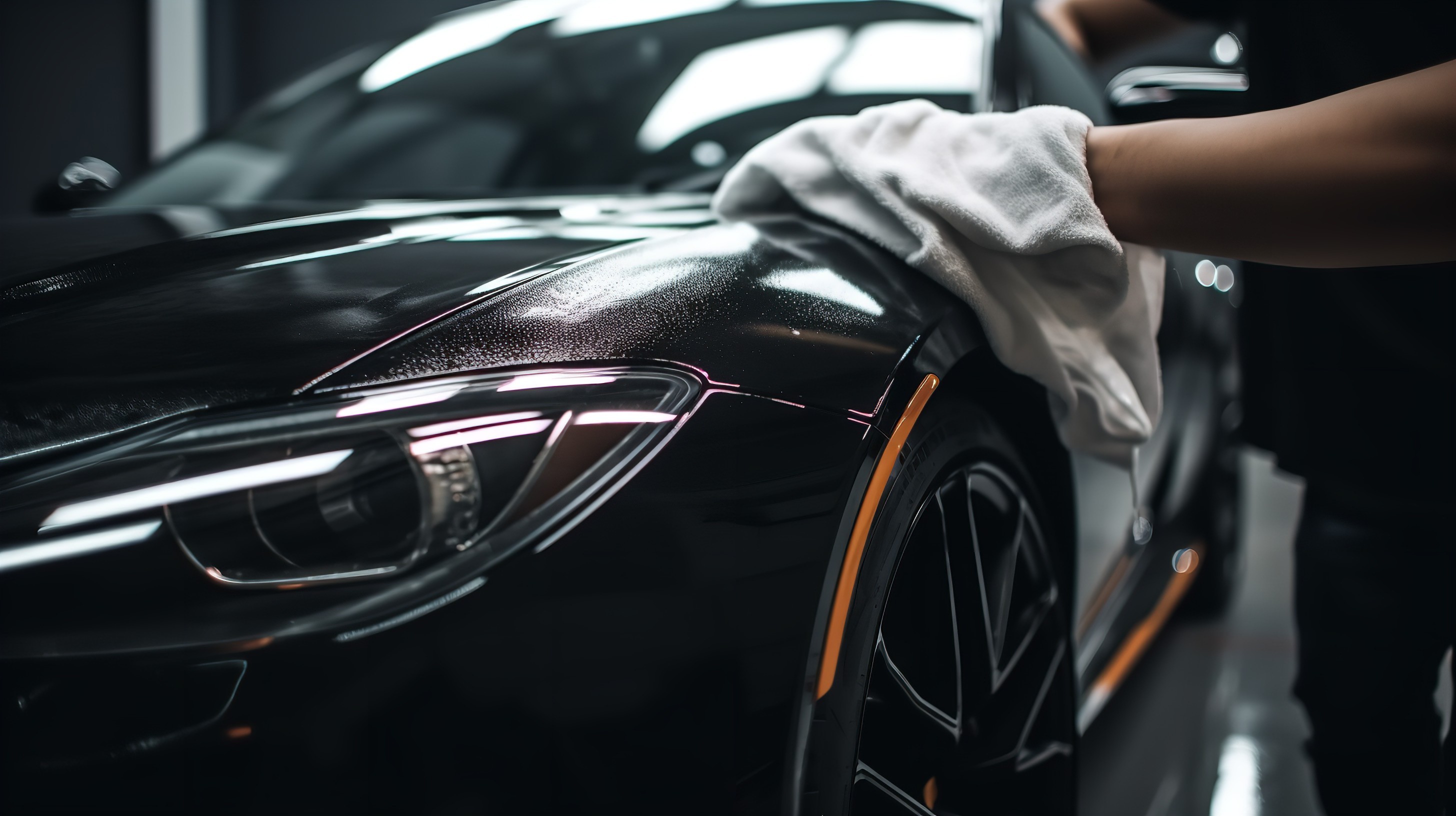
The vehicle's exterior inspection is essential for detecting possible damage or poor repairs. Examine the bodywork carefully for dents, scratches or signs of rust. Pay particular attention to the gaps between the panels, as differences may indicate poor assembly or a substandard repair.
Make sure the colour and finish of the paint are uniform across all parts of the vehicle. Open and close all the doors, the bonnet and the boot to check they work properly. Inspect the rubber seals around the doors and windows for signs of wear or deterioration.
The glass should also be examined carefully. Small scratches may be acceptable, but cracks or breaks should be a cause for concern, as they will require costly repairs in the future.
Tyre and brake checks
Tyres and brakes are crucial components for the vehicle's safety, so inspecting them is essential. Check tyre wear and make sure the tread depth meets the minimum legal requirements (1.6 mm).
Uneven tyre wear can be an indication of problems with the suspension, steering or brakes. In addition, you should check that the spare wheel is in good condition and that all the necessary tools for changing wheels are present.
During the test drive, pay attention to any vibration, noise or squealing when braking. These symptoms may indicate the need to replace the brake pads or have the discs skimmed.
Checking the condition of the engine and transmission
The engine bay is one of the most important areas to inspect on a used car. Look for signs of oil, coolant or any other fluid leaks. Check the condition of the belts and radiator hoses, and make sure they do not show cracks or excessive wear.
Check the levels of oil, coolant and transmission fluid. The colour and consistency of these fluids can indicate potential problems. For example, dark transmission fluid or fluid that smells burnt may be a sign of premature wear.
The timing belt is a key component that should be inspected. If it is close to the end of its service life, it may need replacing in the near future, which would involve an additional cost.
Interior inspection: seats, upholstery and dashboard
The interior of the vehicle also deserves a thorough inspection. Examine the seats for stains, tears or cigarette burns. Check that all controls and switches work properly, including the air conditioning if the vehicle has it.
Inspect the dashboard and the gauges to make sure all warning lights come on and go off correctly when the engine is started. Also check the operation of all electronic systems, such as the audio system, navigation system and parking sensors.
Test drive: performance and handling
A test drive is essential for assessing the vehicle's performance and handling. Ask the owner or dealership to let you carry out a drive in different conditions, including roads, motorways and urban areas.
During the test, pay attention to any vibration, noise or abnormal behaviour from the vehicle. Check the operation of the steering, transmission and brakes in different situations. A thorough test drive will allow you to detect possible problems that are not obvious during a static inspection.
Checking the maintenance and repair history
In addition to the physical inspection of the vehicle, it is crucial to check its maintenance and repair history. Many owners keep a detailed record of all services carried out, which can give you a clear idea of the care the car has received.
If the vehicle has been involved in an accident or has been used as a taxi or rental car, it is important to have this information before making a purchasing decision.
Negotiating the price based on the findings
Once you have completed the pre-purchase inspection, you will be in a strong position to negotiate the vehicle's price. If problems or defects have been identified during the inspection, you can use this information to justify a reduction in the initial price.
However, it is important to be reasonable and take into account the cost of any necessary repairs. In our article on the definitive guide to valuing used cars, you will find valuable information on how to determine the fair value of a used vehicle.
Final considerations
The pre-purchase inspection of a second-hand car is a thorough process that requires time and effort, but it is essential to ensure a safe investment. By following this detailed guide, you will be able to identify possible problems and make an informed decision before buying a used vehicle.
If you do not feel comfortable carrying out the inspection yourself or have doubts about any specific aspect, do not hesitate to consult a qualified mechanic or request a professional inspection. Remember that a smart investment in a second-hand vehicle can save you a considerable amount of money in the long term.
DO YOU WANT A DOCUMENT WITH THE LIST OF ALL THE CHECKS YOU NEED TO CARRY OUT BEFORE BUYING A CAR? GET IN TOUCH WITH US.
Pre-purchase car inspection: Essential guide to a safe investment
To avoid unpleasant surprises and ensure that your investment is safe, carrying out a thorough pre-purchase inspection is essential. In this guide, we will cover all the key aspects you should bear in mind before finalising the purchase of a used car.
Importance of the pre-purchase inspection of used cars
The pre-purchase inspection is a crucial step that should not be omitted when buying a second-hand vehicle. A car may have hidden problems that are not obvious at first glance, and a thorough inspection can help you detect possible defects or damage before making a purchasing decision. Carrying out a thorough pre-purchase inspection gives you the peace of mind of knowing that you are investing in a reliable vehicle in good condition.
Documentation and legal aspects to check
Before proceeding with the physical inspection of the vehicle, it is essential to verify the documentation and legal aspects. Make sure the car has a valid registration certificate and MOT certificate. These documents prove that the vehicle is approved to be driven on the roads and that it has passed the required periodic inspections.
In addition, you should request the vehicle's maintenance and repair history. A detailed record of the services carried out can give you a clear idea of the care the car has received throughout its working life.
Exterior inspection: bodywork, paint and glass
The vehicle's exterior inspection is essential for detecting possible damage or poor repairs. Examine the bodywork carefully for dents, scratches or signs of rust. Pay particular attention to the gaps between the panels, as differences may indicate poor assembly or a substandard repair.
Make sure the colour and finish of the paint are uniform across all parts of the vehicle. Open and close all the doors, the bonnet and the boot to check they work properly. Inspect the rubber seals around the doors and windows for signs of wear or deterioration.
The glass should also be examined carefully. Small scratches may be acceptable, but cracks or breaks should be a cause for concern, as they will require costly repairs in the future.
Tyre and brake checks
Tyres and brakes are crucial components for the vehicle's safety, so inspecting them is essential. Check tyre wear and make sure the tread depth meets the minimum legal requirements (1.6 mm).
Uneven tyre wear can be an indication of problems with the suspension, steering or brakes. In addition, you should check that the spare wheel is in good condition and that all the necessary tools for changing wheels are present.
During the test drive, pay attention to any vibration, noise or squealing when braking. These symptoms may indicate the need to replace the brake pads or have the discs skimmed.
Checking the condition of the engine and transmission
The engine bay is one of the most important areas to inspect on a used car. Look for signs of oil, coolant or any other fluid leaks. Check the condition of the belts and radiator hoses, and make sure they do not show cracks or excessive wear.
Check the levels of oil, coolant and transmission fluid. The colour and consistency of these fluids can indicate potential problems. For example, dark transmission fluid or fluid that smells burnt may be a sign of premature wear.
The timing belt is a key component that should be inspected. If it is close to the end of its service life, it may need replacing in the near future, which would involve an additional cost.
Interior inspection: seats, upholstery and dashboard
The interior of the vehicle also deserves a thorough inspection. Examine the seats for stains, tears or cigarette burns. Check that all controls and switches work properly, including the air conditioning if the vehicle has it.
Inspect the dashboard and the gauges to make sure all warning lights come on and go off correctly when the engine is started. Also check the operation of all electronic systems, such as the audio system, navigation system and parking sensors.
Test drive: performance and handling
A test drive is essential for assessing the vehicle's performance and handling. Ask the owner or dealership to let you carry out a drive in different conditions, including roads, motorways and urban areas.
During the test, pay attention to any vibration, noise or abnormal behaviour from the vehicle. Check the operation of the steering, transmission and brakes in different situations. A thorough test drive will allow you to detect possible problems that are not obvious during a static inspection.
Checking the maintenance and repair history
In addition to the physical inspection of the vehicle, it is crucial to check its maintenance and repair history. Many owners keep a detailed record of all services carried out, which can give you a clear idea of the care the car has received.
If the vehicle has been involved in an accident or has been used as a taxi or rental car, it is important to have this information before making a purchasing decision.
Negotiating the price based on the findings
Once you have completed the pre-purchase inspection, you will be in a strong position to negotiate the vehicle's price. If problems or defects have been identified during the inspection, you can use this information to justify a reduction in the initial price.
However, it is important to be reasonable and take into account the cost of any necessary repairs. In our article on the definitive guide to valuing used cars, you will find valuable information on how to determine the fair value of a used vehicle.
Final considerations
The pre-purchase inspection of a second-hand car is a thorough process that requires time and effort, but it is essential to ensure a safe investment. By following this detailed guide, you will be able to identify possible problems and make an informed decision before buying a used vehicle.
If you do not feel comfortable carrying out the inspection yourself or have doubts about any specific aspect, do not hesitate to consult a qualified mechanic or request a professional inspection. Remember that a smart investment in a second-hand vehicle can save you a considerable amount of money in the long term.
DO YOU WANT A DOCUMENT WITH THE LIST OF ALL THE CHECKS YOU NEED TO CARRY OUT BEFORE BUYING A CAR? GET IN TOUCH WITH US.