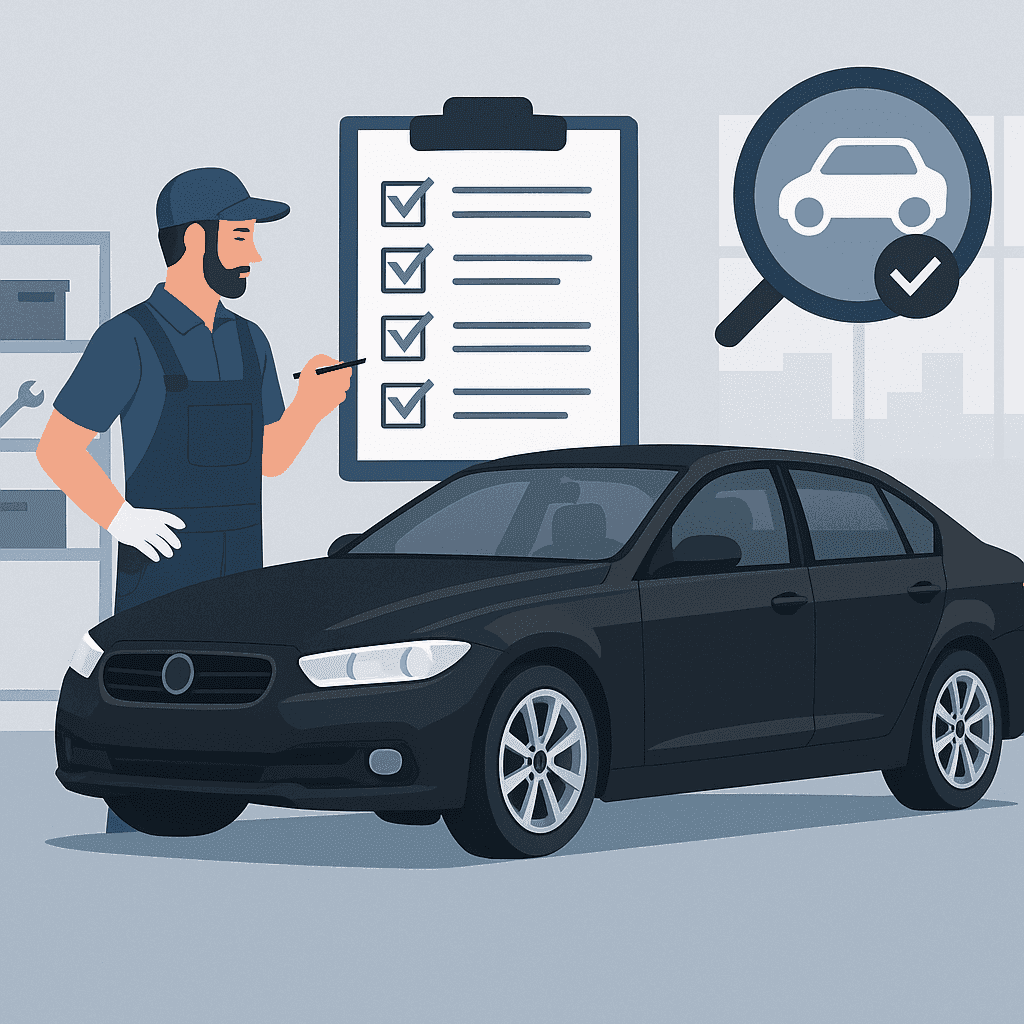
In a used vehicle dealership (VO), stock is the lifeblood of the business. Having good cars is essential, but it is just as important to make sure they are in the right condition and well managed. At Dealcar, we have seen that many independent dealerships lose sales or margin not because of lack of demand, but because of poorly systematised internal management. That is why today we are telling you how to implement good quality control and internal stock auditing.
Why is quality control in VO stock key?
It avoids claims and returns
A car may seem to be in good condition at first glance, but if it does not meet certain mechanical or aesthetic standards, it can cause problems after the sale. Quality control avoids surprises for both the customer and the dealership.
It strengthens the dealership's reputation
In an increasingly competitive market, offering well cared for and thoroughly checked vehicles strengthens the business's professional image.
It allows you to sell faster and with better margin
A car with good presentation, checked and documented, inspires trust. It sells sooner and there is less price negotiation.
How to implement an effective quality control system
Set clear quality standards
Define what "vehicle in condition" means for your dealership. Include:
Minimum mechanical condition
Safety item checks
Bodywork and interior condition
Maintenance history
Use a control checklist
Each unit should undergo a structured inspection before entering (and remaining in) stock. For example:
Documentation in order
Tyres within legal limits
Correct operation of lights, brakes and A/C
Interior and exterior cleanliness
No odours, stains or visible damage
Periodic review of display stock
Even if a car has been checked on arrival, it can deteriorate on the forecourt:
The battery goes flat
Tyre pressure drops
It gets dirty or damaged by external factors
Plan weekly or fortnightly checks of the vehicles on display.
Internal stock audit: beyond the vehicle's appearance
Auditing stock does not only mean looking at the physical condition of the cars, but also how they are managed. This helps detect errors, duplicate cars, a lack of turnover, or even accounting issues.
What should be reviewed in an internal audit?
Actual stock vs accounting stock: Does what you have on display match what you have in your system?
Stock age: identify cars that have been in stock for more than 60 or 90 days and analyse why they are not selling.
Documentation status: registration document, purchase contract, inspection certificate, warranty, etc.
Cars priced outside market value: using tools such as Dealcar allows you to know whether you are above or below the average price.
Vehicles without photos or with poor quality photos: negatively impact portals and social media.
Errors in descriptions or attributes: a car with the wrong label (for example, "automatic" when it is manual) creates distrust or bounce.
Internal stock audit table
Item to review | Suggested frequency | Responsible | Usual corrective action |
|---|---|---|---|
Actual stock vs stock in system | Monthly | Sales manager | Reconciliation and adjustment |
Units older than 60 days | Fortnightly | Salesperson / manager | Action plan: price reduction, remarketing |
Cars without complete documentation | Monthly | Administration | Request or discard |
Incorrect or poor quality photos | Weekly | Marketing / photo | Redo gallery |
Physical condition on display | Weekly | Workshop / reception | Cleaning or reconditioning |
Cars without descriptions or with errors | Weekly | Sales | Attribute correction |
Best practices for keeping stock in optimum condition
Review stock as if you were a customer: go to your website or portal and analyse what you see.
Digitise audits and assign clear responsibilities.
Review KPIs: number of cars below market price, average days in stock, percentage with professional photos.
Automate repetitive tasks with tools such as Dealcar.
Conclusion
Good quality control and stock auditing is not something exclusive to large groups. Any independent dealership can apply simple and effective processes that improve turnover, reduce errors and increase sales.
At Dealcar, we encourage you to review your stock periodically as if you were a customer. Ask yourself: are the cars presentable, complete, up to date and well described? If they are not, that could be the reason they are not selling.
FAQ – Frequently asked questions
How often should I audit my VO stock?
The recommended approach is a complete monthly audit, and weekly checks of key aspects such as physical condition, photos and prices.
Who should be responsible for quality control?
It can be one person or an internal team, but it is key that they have a clear checklist and the authority to report issues.
What are the most common mistakes in a VO's stock?
Incomplete records, prices out of line with the market, cars without quality photos or with description errors.
Is it possible to automate internal auditing?
Yes, with platforms such as Dealcar you can receive automatic alerts about cars with issues, and keep digital control of stock.
What is the biggest benefit of auditing my stock?
Sell faster, avoid costly mistakes and improve the dealership's image in the eyes of the customer.
In a used vehicle dealership (VO), stock is the lifeblood of the business. Having good cars is essential, but it is just as important to make sure they are in the right condition and well managed. At Dealcar, we have seen that many independent dealerships lose sales or margin not because of lack of demand, but because of poorly systematised internal management. That is why today we are telling you how to implement good quality control and internal stock auditing.
Why is quality control in VO stock key?
It avoids claims and returns
A car may seem to be in good condition at first glance, but if it does not meet certain mechanical or aesthetic standards, it can cause problems after the sale. Quality control avoids surprises for both the customer and the dealership.
It strengthens the dealership's reputation
In an increasingly competitive market, offering well cared for and thoroughly checked vehicles strengthens the business's professional image.
It allows you to sell faster and with better margin
A car with good presentation, checked and documented, inspires trust. It sells sooner and there is less price negotiation.
How to implement an effective quality control system
Set clear quality standards
Define what "vehicle in condition" means for your dealership. Include:
Minimum mechanical condition
Safety item checks
Bodywork and interior condition
Maintenance history
Use a control checklist
Each unit should undergo a structured inspection before entering (and remaining in) stock. For example:
Documentation in order
Tyres within legal limits
Correct operation of lights, brakes and A/C
Interior and exterior cleanliness
No odours, stains or visible damage
Periodic review of display stock
Even if a car has been checked on arrival, it can deteriorate on the forecourt:
The battery goes flat
Tyre pressure drops
It gets dirty or damaged by external factors
Plan weekly or fortnightly checks of the vehicles on display.
Internal stock audit: beyond the vehicle's appearance
Auditing stock does not only mean looking at the physical condition of the cars, but also how they are managed. This helps detect errors, duplicate cars, a lack of turnover, or even accounting issues.
What should be reviewed in an internal audit?
Actual stock vs accounting stock: Does what you have on display match what you have in your system?
Stock age: identify cars that have been in stock for more than 60 or 90 days and analyse why they are not selling.
Documentation status: registration document, purchase contract, inspection certificate, warranty, etc.
Cars priced outside market value: using tools such as Dealcar allows you to know whether you are above or below the average price.
Vehicles without photos or with poor quality photos: negatively impact portals and social media.
Errors in descriptions or attributes: a car with the wrong label (for example, "automatic" when it is manual) creates distrust or bounce.
Internal stock audit table
Item to review | Suggested frequency | Responsible | Usual corrective action |
|---|---|---|---|
Actual stock vs stock in system | Monthly | Sales manager | Reconciliation and adjustment |
Units older than 60 days | Fortnightly | Salesperson / manager | Action plan: price reduction, remarketing |
Cars without complete documentation | Monthly | Administration | Request or discard |
Incorrect or poor quality photos | Weekly | Marketing / photo | Redo gallery |
Physical condition on display | Weekly | Workshop / reception | Cleaning or reconditioning |
Cars without descriptions or with errors | Weekly | Sales | Attribute correction |
Best practices for keeping stock in optimum condition
Review stock as if you were a customer: go to your website or portal and analyse what you see.
Digitise audits and assign clear responsibilities.
Review KPIs: number of cars below market price, average days in stock, percentage with professional photos.
Automate repetitive tasks with tools such as Dealcar.
Conclusion
Good quality control and stock auditing is not something exclusive to large groups. Any independent dealership can apply simple and effective processes that improve turnover, reduce errors and increase sales.
At Dealcar, we encourage you to review your stock periodically as if you were a customer. Ask yourself: are the cars presentable, complete, up to date and well described? If they are not, that could be the reason they are not selling.
FAQ – Frequently asked questions
How often should I audit my VO stock?
The recommended approach is a complete monthly audit, and weekly checks of key aspects such as physical condition, photos and prices.
Who should be responsible for quality control?
It can be one person or an internal team, but it is key that they have a clear checklist and the authority to report issues.
What are the most common mistakes in a VO's stock?
Incomplete records, prices out of line with the market, cars without quality photos or with description errors.
Is it possible to automate internal auditing?
Yes, with platforms such as Dealcar you can receive automatic alerts about cars with issues, and keep digital control of stock.
What is the biggest benefit of auditing my stock?
Sell faster, avoid costly mistakes and improve the dealership's image in the eyes of the customer.